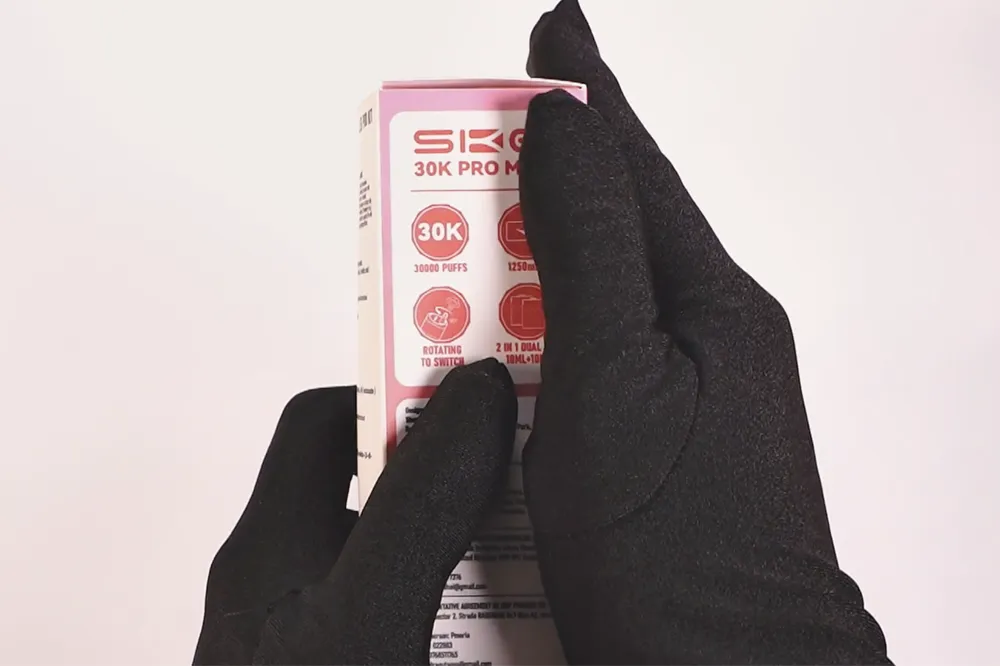

As vaping continues to evolve, safety concerns remain a top priority for users and regulators alike. One question that consistently appears in search trends is: do vapes have lead? Trace amounts of lead have been detected in some vape products, but the full picture is more nuanced and depends on device quality, usage habits, and regulatory oversight.
This guide breaks down what current research says, where lead in vapes comes from, and how users can reduce potential exposure—based on the latest available evidence and public health guidance.
Do Vapes Contain Lead?
Studies have found that some e-cigarettes can emit small amounts of heavy metals, including lead, in the aerosol users inhale. However:
- Levels are typically very low in regulated products
- Not all devices contain measurable lead
- Exposure varies significantly depending on device type and condition
In most cases, the detected lead levels are below occupational safety thresholds, but that doesn’t necessarily mean they are risk-free—especially with long-term use.
Where Does Lead in Vapes Come From?
Lead is not intentionally added to e-liquids. Instead, it usually comes from internal hardware components.
1. Heating Coil Materials
The coil that heats e-liquid can contain metal alloys. Over time, thermal degradation may release trace metals into the vapor.
2. Solder Joints
Older or low-quality devices may use lead-based solder to connect internal components. This is a known contamination source.
3. Metal Leaching
Repeated heating and cooling cycles can cause metal particles to leach into the e-liquid, especially in poorly manufactured devices.
4. Counterfeit or Unregulated Products
Black-market or counterfeit vapes are more likely to contain unsafe materials and higher metal levels due to lack of compliance.

What Do Studies Say?
Several independent and public health studies have examined metal exposure from vaping:
- Aerosol samples from some devices showed detectable lead, nickel, and chromium
- Newer, regulated devices tend to have lower emissions than earlier models
- Metal exposure is often linked to device age and coil degradation
Importantly, findings vary widely—there is no universal level of lead across all vape products.
Is Lead Exposure From Vaping Dangerous?
Lead is a toxic heavy metal, and there is no completely safe exposure level. Long-term exposure may affect:
- Brain and nervous system function
- Cardiovascular health
- Kidney function
However, the actual risk from vaping depends on cumulative exposure, frequency of use, and device quality.
Compared to traditional cigarettes, vaping generally exposes users to fewer toxic substances, but that does not mean it is harmless.
How to Reduce Your Risk
If you vape, there are practical steps you can take to minimize potential exposure to lead and other metals:
1. Choose Reputable Brands
Stick to manufacturers that comply with regulatory standards (e.g., FDA PMTA process in the U.S. or TPD in the UK/EU).
2. Avoid Counterfeit Devices
Illicit products often cut corners on materials and safety testing.
3. Replace Coils Regularly
Old or burnt coils are more likely to release metals.
4. Don’t Overheat Your Device
High wattage settings can accelerate metal degradation.
5. Use Closed or Pre-Filled Systems
These are typically more controlled and may reduce contamination risks compared to rebuildable devices.

Regulatory Oversight and Industry Trends
Regulators are increasingly focused on product safety and emissions testing:
- The U.S. FDA requires manufacturers to disclose harmful and potentially harmful constituents (HPHCs)
- The EU’s TPD enforces strict limits on e-liquid ingredients and device safety
- Manufacturers are moving toward lead-free solder and improved coil materials
As a result, modern devices are generally safer than earlier generations, though long-term data is still developing.
Conclusion
Trace amounts can be present in some devices, primarily due to internal components rather than e-liquid itself. However, exposure levels vary widely and are typically lower in regulated, high-quality products.
For users, the key takeaway is not alarm—but awareness. Choosing reliable devices and maintaining them properly can significantly reduce potential risks.
FAQs
1. Do all vapes contain lead?
No. Not all vapes contain detectable lead. Levels depend on the device design, materials, and manufacturing quality.
2. Is lead in vape vapor higher than in cigarette smoke?
Traditional cigarettes also contain heavy metals, including lead. In many cases, vaping exposes users to lower levels, but it varies by product.
3. Can disposable vapes contain lead?
Yes, but typically in very small amounts if they meet regulatory standards. Counterfeit or unregulated disposables may pose higher risks.
4. How can I tell if my vape is safe?
Look for products from reputable brands, regulatory compliance, and avoid unusually cheap or unverified devices.
5. Does replacing coils reduce lead exposure?
Yes. Regular coil replacement helps minimize metal buildup and reduces the chance of inhaling degraded materials.