
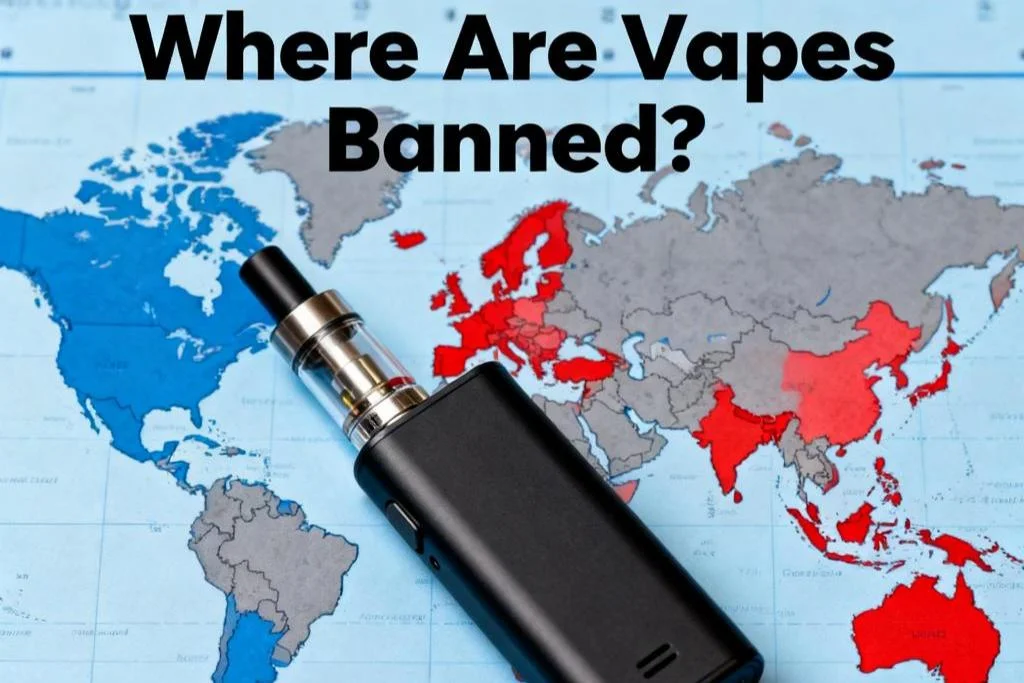
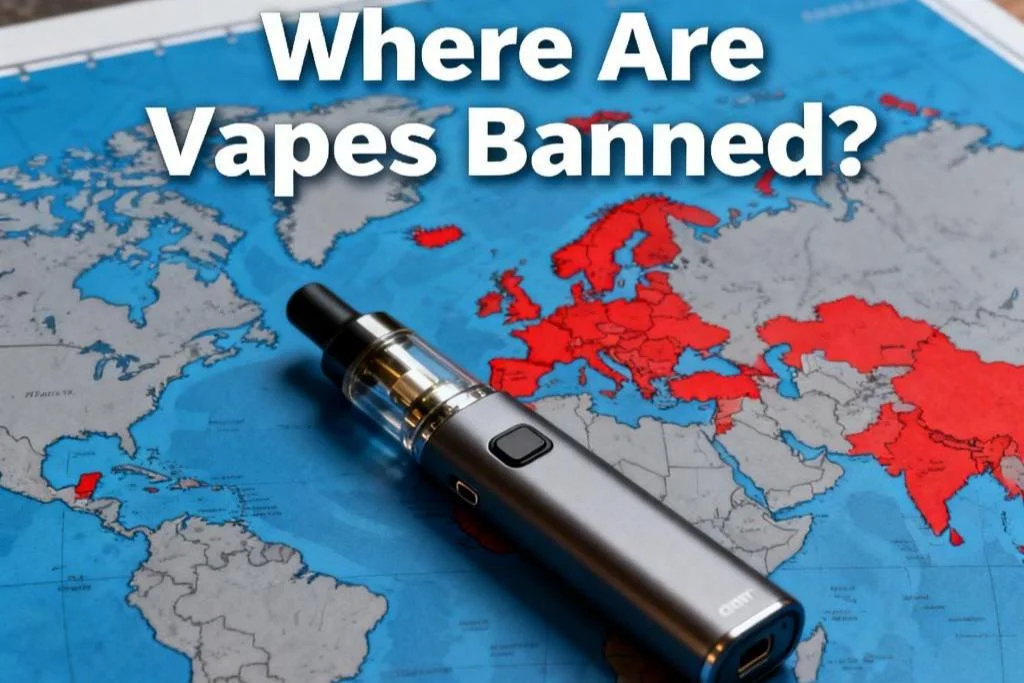
The reality is that vaping regulations vary widely: some countries enforce outright bans, others impose strict controls, and many allow vaping under frameworks similar to traditional tobacco.
For travelers, consumers, and industry professionals alike, keeping up with these legal differences is essential. This guide breaks down where vapes are banned, where they’re restricted, and what the latest regulatory trends mean in 2026—helping you stay compliant and informed wherever you go.
Countries Where Vapes Are Completely Banned
Several countries have enacted full prohibitions on the sale, import, and use of e-cigarettes. In many of these regions, penalties can include fines, confiscation, or even imprisonment.
Asia & Middle East
- Thailand – One of the strictest anti-vape countries; importing or possessing vapes can lead to heavy fines or jail time
- Singapore – Total ban on vaping devices and e-liquids, including personal use
- India – Nationwide ban on production, sale, and import since 2019
- Qatar – Prohibits sale and possession
- Brunei – Strict enforcement against vape products
Latin America
- Mexico – Ban on the sale and import of vapes, reinforced through presidential decree
- Brazil – Prohibits commercialization, advertising, and import
Others
- Cambodia – Banned due to public health concerns
- Nepal – Restrictions vary, but enforcement leans toward prohibition
In these countries, even carrying a vape in your luggage can result in legal consequences.
Countries with Strict Restrictions (But Not Full Bans)
Some nations allow vaping under tight regulatory frameworks, often limiting nicotine levels, marketing, and distribution.
Europe
- United Kingdom – Legal but regulated under the Tobacco and Related Products Regulations (TPD)
- France, Germany, Italy – Legal with nicotine caps (20 mg/mL) and advertising restrictions
- Norway – Nicotine e-liquids restricted; reforms are ongoing
Asia-Pacific
- Australia – Nicotine vapes require a prescription; retail sales heavily restricted
- Japan – Nicotine e-liquids are effectively banned; heated tobacco products dominate
- South Korea – Legal but highly taxed and regulated
Middle East
- United Arab Emirates – Legalized but regulated with product standards and taxes
- Saudi Arabia – Legal but subject to high excise taxes
These markets are compliant but not consumer-friendly, especially for tourists unfamiliar with local rules.
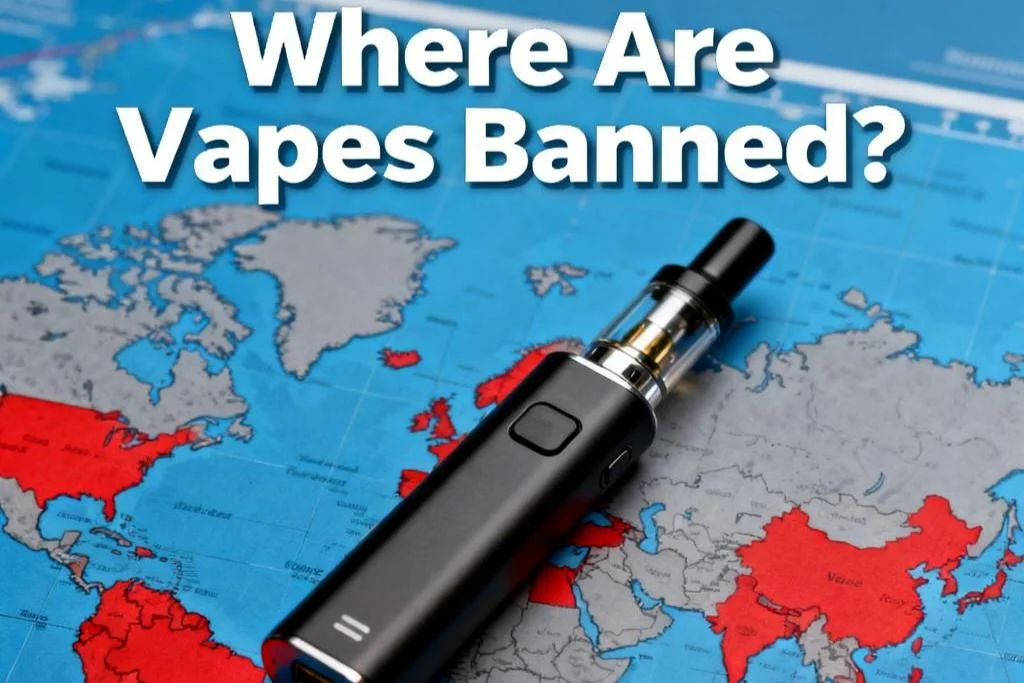
Countries Where Vaping Is Legal (With Regulations)
In many regions, vaping is legal but treated similarly to tobacco products.
North America
- United States – Legal, but regulated by the FDA; flavored vape bans vary by state and city
- Canada – Legal with strict packaging, nicotine limits, and advertising rules
Europe (General Trend)
Most EU countries follow the TPD framework, including:
- Nicotine limits (20 mg/mL)
- Tank size restrictions (2 mL)
- Health warnings and child-proof packaging
While legal, compliance is essential—especially for brands and retailers.
Why Are Vapes Banned in Some Countries?
Governments cite several reasons for banning or restricting vaping:
1. Public Health Concerns
Authorities remain cautious about long-term health effects, particularly among youth.
2. Youth Vaping Epidemic
Rising underage use has led to stricter controls, especially on flavored products.
3. Regulatory Gaps
Some countries lack frameworks to regulate vaping, opting for outright bans instead.
4. Tobacco Control Policies
Nations with strong anti-smoking agendas often include vaping in broader tobacco restrictions.
Travel Considerations: Can You Bring a Vape Abroad?
If you’re traveling internationally, understanding local laws is critical.
- Banned countries: Do not carry vapes—risk of fines or detention
- Restricted countries: Check nicotine rules and prescription requirements
- Air travel: Most airlines require vapes in carry-on luggage only, not checked baggage
Always verify regulations before departure to avoid legal issues.
Conclusion
Vape laws vary widely worldwide: some countries like Thailand, Singapore, India, and Brazil impose complete bans on the sale, import, and use of e-cigarettes, while others such as Australia and Japan allow limited use under strict controls. In regions like the United States, United Kingdom, and the European Union, vaping remains legal but heavily regulated, with rules on nicotine strength, marketing, and product standards. These restrictions are largely driven by public health concerns, youth usage, and regulatory gaps, making it essential for consumers—especially travelers—to check local laws before carrying or using vape devices.
FAQs
1. Can you bring a vape into countries where it is banned?
No. In countries like Thailand or Singapore, even possession can lead to fines or imprisonment. It’s best to leave your device at home.
2. Are vapes banned in Europe?
No, most European countries allow vaping but regulate it under the Tobacco Products Directive (TPD), including nicotine limits and packaging rules.
3. Is vaping banned in the United States?
Vaping is legal in the U.S., but regulations vary by state. Some states and cities have banned flavored products.
4. Why did India ban vapes?
India banned e-cigarettes to prevent youth uptake and address public health concerns, citing insufficient long-term safety data.
5. Which countries require a prescription for vaping?
Australia is the most notable example, where nicotine e-liquids require a doctor’s prescription for legal use.