
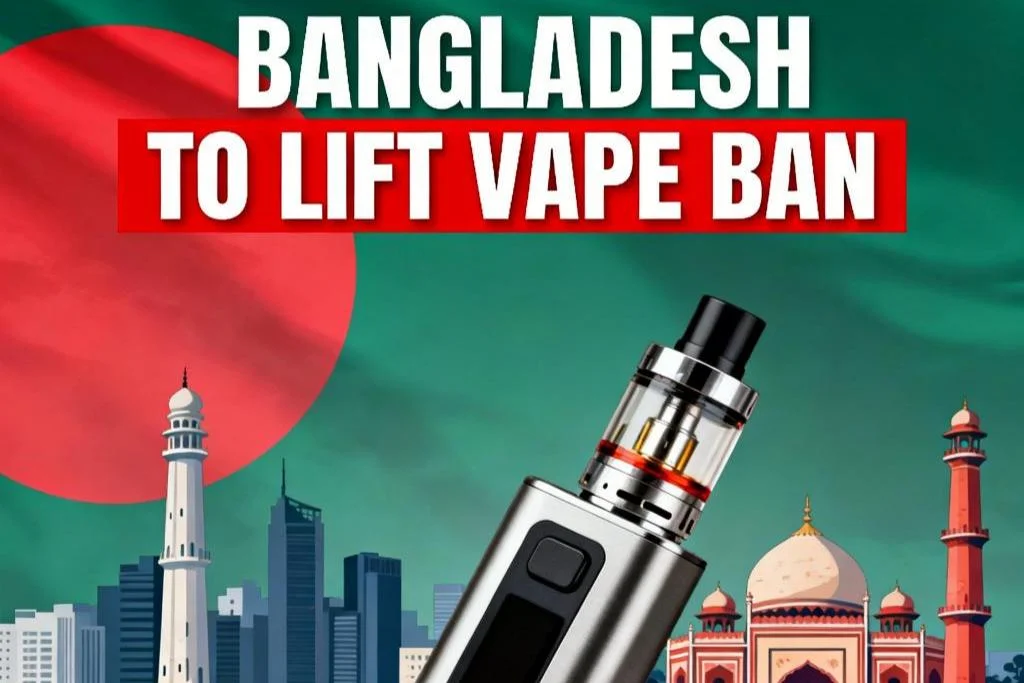
Bangladesh is preparing to revise its anti-tobacco ordinance, with plans to lift the existing ban on the production and sale of vapes. The proposed changes have triggered concern among public health advocates, who warn of potential risks—particularly for younger populations.
Alongside removing restrictions on vapes, the government is also considering scrapping the rule that prohibits the public display of tobacco products at retail outlets. These adjustments follow recommendations from a parliamentary special committee that reviewed 133 ordinances introduced during the interim government period.
The Health Ministry is now drafting a revised version of the ordinance, excluding the provisions related to the vape ban and tobacco display restrictions. The updated draft is expected to be submitted soon to the Legislative and Parliamentary Affairs Division for further review.
Public health groups have strongly opposed the proposed rollback. Anti-tobacco advocates argue that e-cigarette use is rising rapidly in Bangladesh, especially among teenagers and young adults. They stress that maintaining the ban is critical to protecting public health.
Campaign representatives have cited survey data indicating widespread marketing practices that may appeal to minors. For example, a large proportion of retail outlets reportedly display cigarettes at eye level for children, while many place tobacco products near sweets and snacks. Based on these findings, they argue that removing display restrictions could further increase youth exposure.
The current ordinance, introduced last year, imposed strict controls on e-cigarettes and related products. It broadly prohibited activities such as production, import, export, sale, distribution, and promotion of electronic nicotine delivery systems, including vapes, e-liquids, and heated tobacco products.
Violations under the existing law can result in up to three months’ imprisonment, fines of up to Tk 200,000 (approximately USD 1,640), or both. Repeat offenses carry harsher penalties. Companies found in violation may face product seizures, higher fines, and potential license revocation. Individuals using such products may also be fined up to Tk 5,000 (around USD 41).
Government officials have stated that they will proceed in line with the parliamentary committee’s recommendations. However, the proposed amendments have intensified debate over how best to balance regulatory flexibility with long-term public health protection.