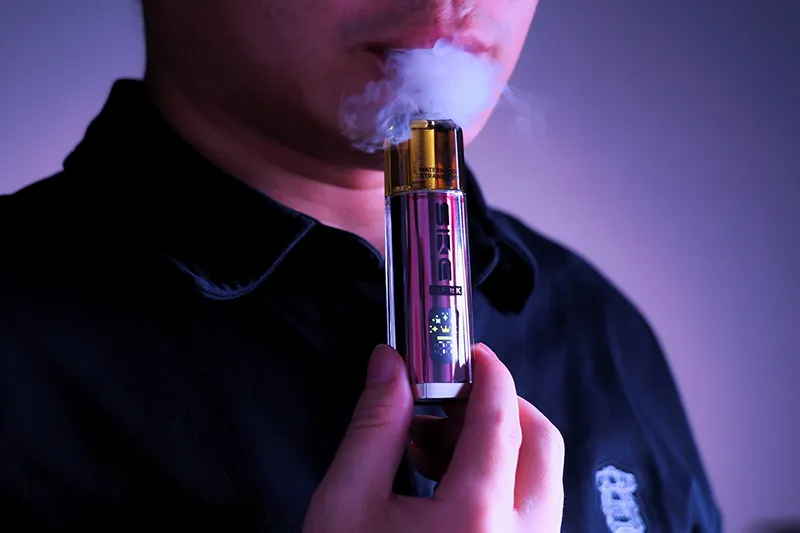

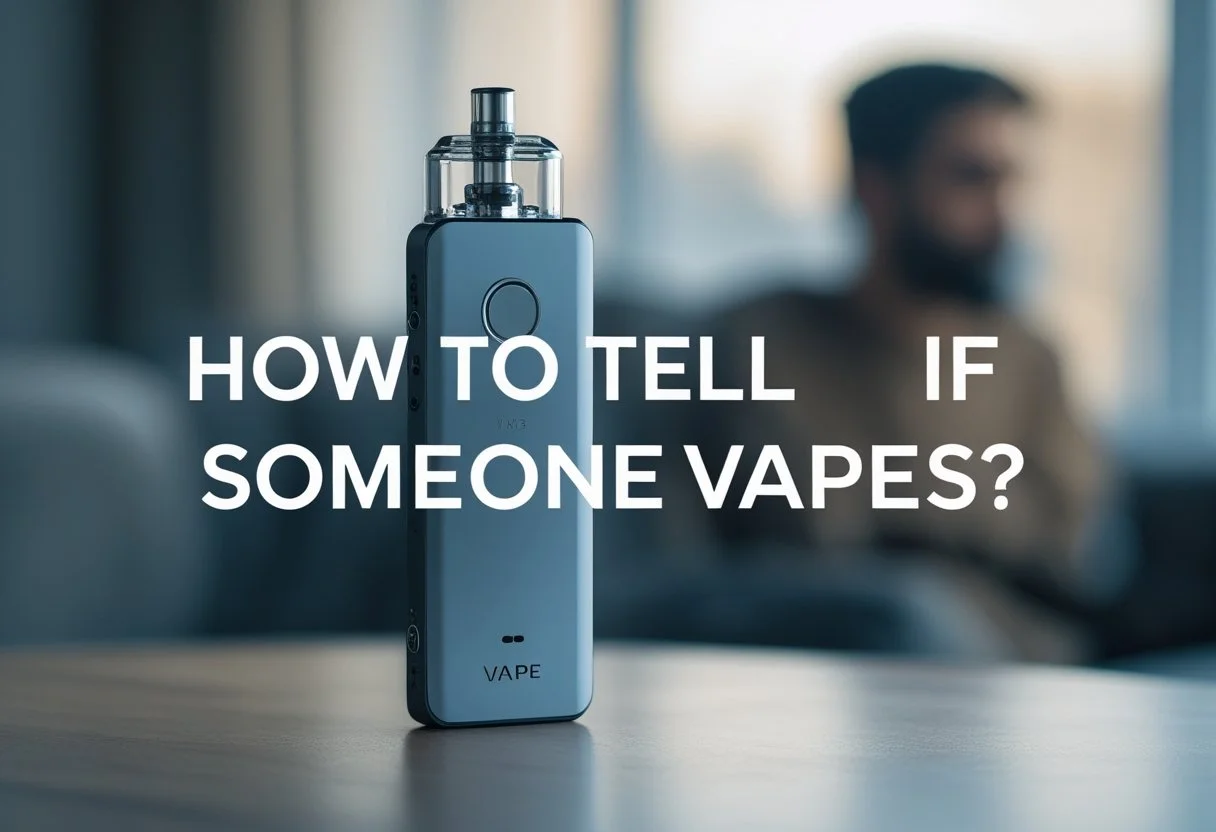
Vaping has become increasingly common among teenagers and adults, making many parents, partners, teachers, and employers curious about how to recognize the signs of vaping. While some users vape openly, others try to hide the habit, especially when using disposable devices that produce less odor and vapor than traditional cigarettes.
Understanding the physical, behavioral, and environmental signs can help identify possible vaping without jumping to conclusions or making false accusations. This guide explains the most common indicators, what vaping devices look like, and how to approach the situation responsibly.
What Does Vaping Look Like?
Modern vape devices come in many shapes and sizes. Unlike traditional cigarettes, many are designed to be discreet and portable.
Common vape products include:
- Disposable vapes
- Pod systems
- Rechargeable vape pens
- Box mods
- Nicotine-free or flavored devices
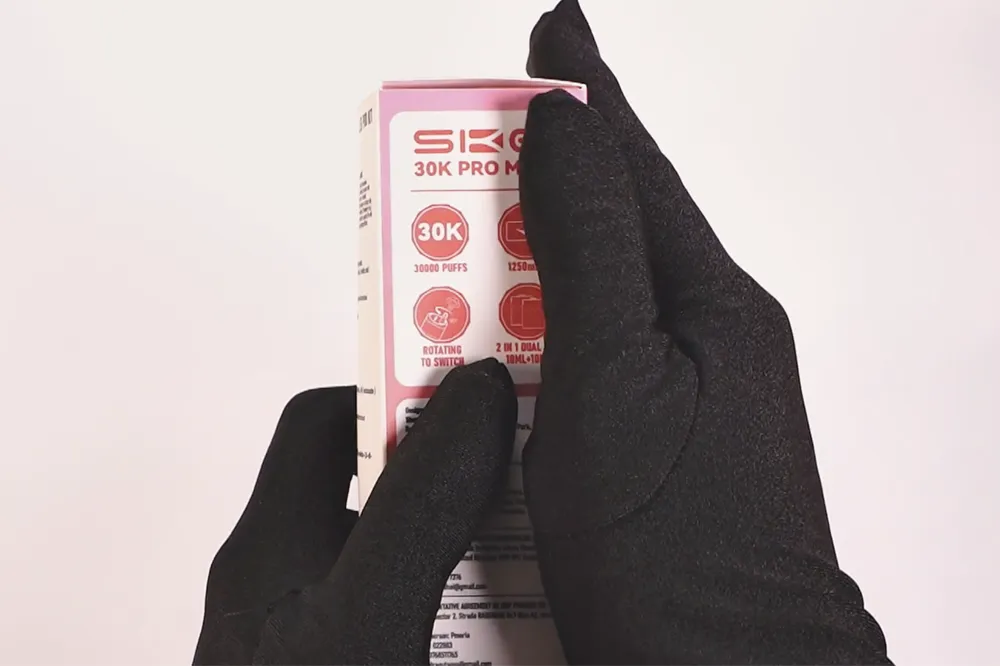
Some devices resemble USB drives, highlighters, cosmetic products, or small electronic gadgets. Popular disposable vapes are especially compact, making them easy to hide in pockets, backpacks, or desk drawers.
Common Physical Signs Someone Vapes
1. Sweet or Fruity Smells
One of the clearest indicators is a lingering sweet scent. Vape liquids often contain flavors such as:
- Mango
- Mint
- Blueberry
- Watermelon
- Candy or dessert flavors
Unlike cigarette smoke, vape aerosol usually smells lighter and disappears more quickly.
2. Increased Thirst or Dry Mouth
Propylene glycol and vegetable glycerin, common ingredients in e-liquids, can cause dehydration and dry mouth. Someone who vapes frequently may:
- Drink more water than usual
- Complain about dry lips or throat irritation
- Carry gum or mints regularly
3. Coughing or Throat Irritation
Although vaping is often marketed as smoother than smoking, it can still irritate the throat and lungs. Some users develop:
- Persistent coughing
- Throat clearing
- Hoarse voice
- Shortness of breath during exercise
4. Nosebleeds
Dry indoor air combined with vaping can occasionally contribute to nasal irritation and nosebleeds, particularly in younger users.
5. Nicotine-Related Symptoms
If the vape contains nicotine, users may experience:
- Headaches
- Dizziness
- Mood swings
- Irritability
- Difficulty concentrating when not vaping
Frequent nicotine use can also increase dependence over time.
Behavioral Signs of Vaping
1. Frequent Bathroom or Bedroom Visits
Many people vape privately to avoid attention. Repeated short trips to bathrooms, bedrooms, garages, or outside areas may indicate vaping behavior.
Teenagers sometimes vape between classes or during breaks because nicotine cravings develop quickly.
2. Increased Use of Chargers or Batteries
Rechargeable vape devices require charging. You may notice:
- USB-C charging cables
- Small batteries
- Portable chargers
- Unfamiliar electronic accessories
Disposable vapes are also increasingly rechargeable.
3. Hiding Small Devices
Vape users often keep devices in:
- Hoodie pockets
- Pencil cases
- Backpacks
- Makeup bags
- Car compartments
Some users become defensive if others handle their belongings unexpectedly.
4. Changes in Spending Habits
Regular vaping can become expensive. Teens or young adults may:
- Ask for money more often
- Make unexplained online purchases
- Use delivery services frequently
- Spend more at convenience stores or vape shops
Environmental Clues
1. Vapor Residue
While vapor dissipates faster than cigarette smoke, heavy indoor vaping can still leave residue on:
- Windows
- Mirrors
- Car windshields
- Electronic screens
The residue may appear slightly oily or foggy.
2. Unusual Trash Items
Signs in trash cans or backpacks may include:
- Empty disposable vape devices
- E-liquid bottles
- Plastic pods or cartridges
- Coil packaging
- Silicone caps
3. Motion Sensors or Vape Detectors Triggering
Schools, offices, and public spaces increasingly use vape detectors. Frequent warnings or disciplinary actions may suggest ongoing vaping activity.
Signs Teenagers May Be Vaping
Parents are often specifically concerned about teen vaping. Some additional warning signs include:
- Sudden interest in mint or fruity scents
- Declining athletic performance
- Mood changes linked to nicotine withdrawal
- Increased secrecy
- Social media content involving vape culture
- Unexplained gadgets or accessories
However, no single sign confirms vaping. Open communication is more effective than assumptions or punishment alone.
How to Talk to Someone About Vaping
If you suspect someone is vaping, avoid confrontational accusations. A calm and informed conversation usually works better.
Helpful approaches include:
- Asking open-ended questions
- Discussing health concerns without judgment
- Learning why they vape
- Understanding peer pressure or stress factors
- Offering support for quitting if needed
For teenagers, education and trust often produce better long-term outcomes than harsh discipline.

Is Vaping Easier to Hide Than Smoking?
Yes. Modern vape devices are generally easier to conceal because:
- Vapor dissipates quickly
- Odors are less noticeable
- Devices are smaller
- Some products produce minimal visible clouds
However, regular vaping still leaves behavioral and physical signs over time.
Health Risks Associated With Vaping
Although vaping may expose users to fewer toxic chemicals than combustible cigarettes, it is not risk-free. Potential concerns include:
- Nicotine addiction
- Lung irritation
- Increased heart rate
- Exposure to aerosol chemicals
- Youth brain development effects from nicotine
The long-term effects of vaping continue to be studied by public health researchers worldwide.
Conclusion
Recognizing the signs of vaping involves looking at patterns rather than focusing on one isolated clue. Sweet smells, hidden devices, coughing, behavioral changes, and unusual accessories can all point toward possible vape use.
At the same time, it is important to avoid making assumptions without evidence. Honest conversations, accurate information, and supportive communication remain the most effective ways to address vaping concerns among teens and adults alike.
FAQs
1. What does vape smell like?
Most vapes produce sweet or fruity scents such as mint, candy, mango, or berry flavors. The smell is usually lighter and disappears faster than cigarette smoke.
2. Can you tell if someone vapes indoors?
Possible signs include sweet odors, foggy windows, oily residue on surfaces, coughing, or spotting vape devices and charging accessories nearby.
3. Do vapes stain teeth like cigarettes?
Vaping may cause dry mouth and mild tooth discoloration over time, but traditional cigarettes generally cause more severe staining due to tar and smoke exposure.
4. Why do teenagers hide vaping?
Many teens hide vaping to avoid school discipline, parental consequences, or social judgment. Peer pressure and nicotine dependence can also contribute to secrecy.
5. Is secondhand vape harmful?
Research suggests secondhand vape aerosol contains nicotine and other chemicals, although exposure levels are generally lower than secondhand cigarette smoke. Health experts still recommend avoiding unnecessary exposure, especially around children and pregnant individuals.