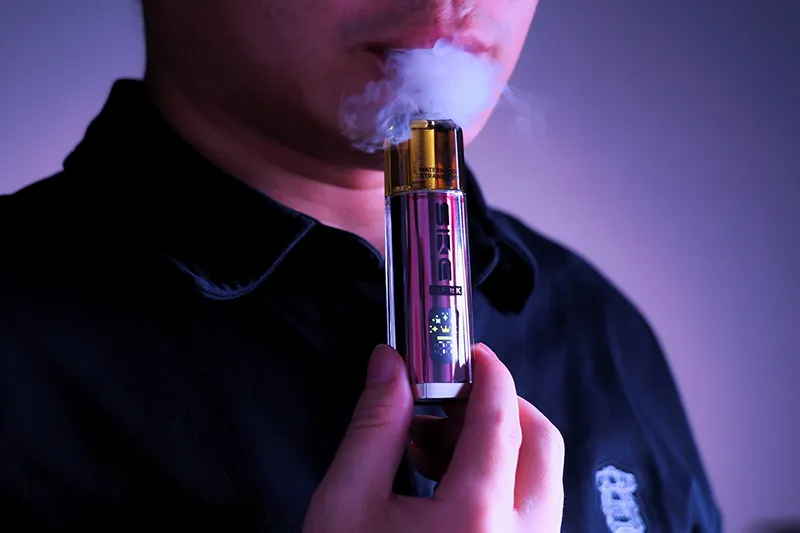

At SKE, we believe vaping users deserve clear and balanced information about health and lifestyle topics, including oral care. Questions like “can vapes cause cavities” are becoming more common as more consumers pay attention to the long-term effects of vaping. By exploring current dental research, expert opinions, and real user concerns, this article aims to provide practical insights in a straightforward and responsible way.
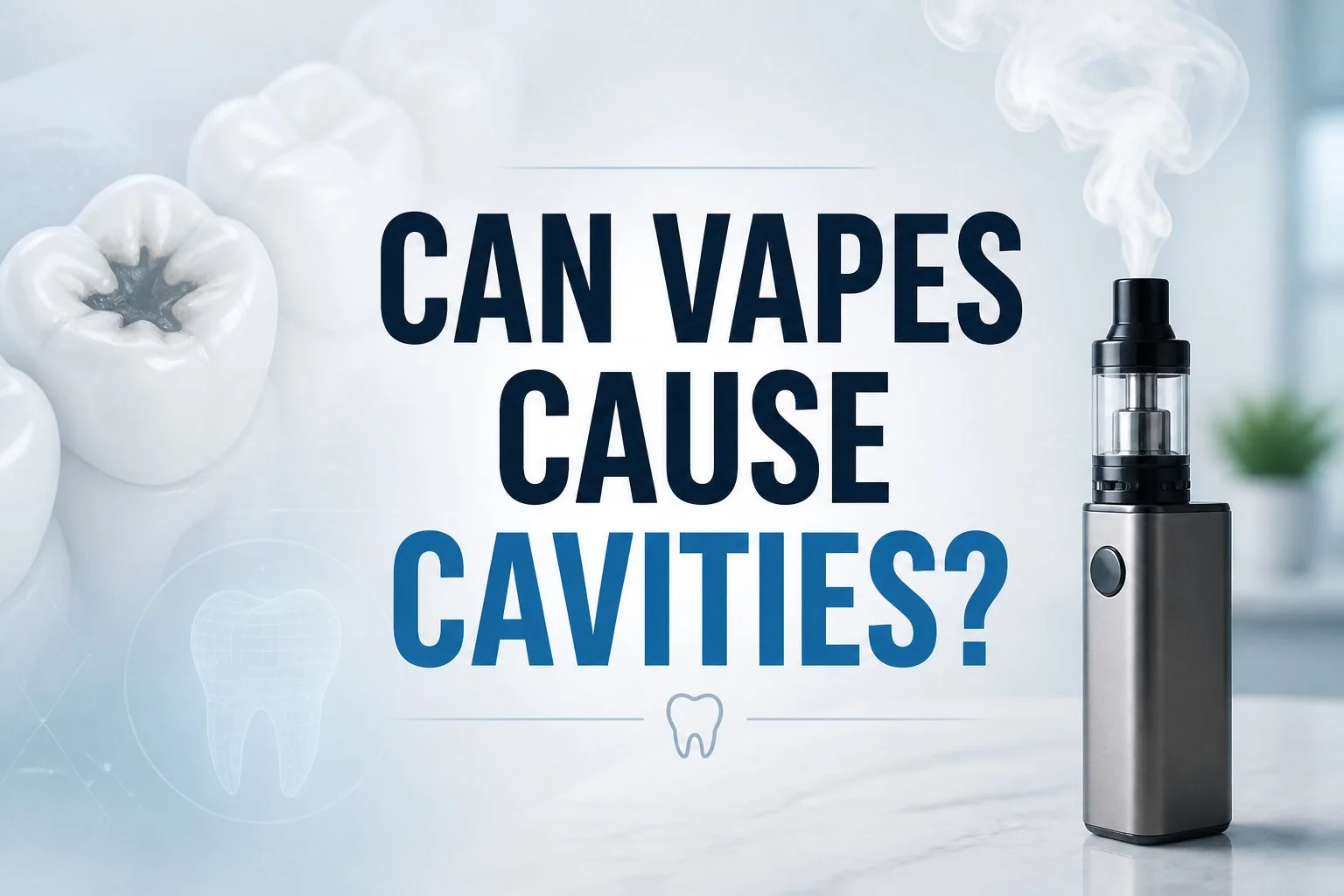
Can Vapes Cause Cavities?
Yes, vaping may contribute to cavities under certain conditions. Dentists point to several factors linked to e-cigarette use that can increase the risk of tooth decay.
Many vape liquids contain sweet flavorings and chemicals that stick to tooth surfaces. These substances can encourage bacterial growth in the mouth, especially when combined with reduced saliva production. Saliva plays an important role in washing away bacteria and neutralizing acids. When the mouth becomes dry, harmful bacteria can multiply more easily, increasing the chances of cavities forming.
Nicotine-containing vapes may also reduce blood flow to gum tissue and contribute to inflammation, which can further affect overall oral health.
Why Vaping May Damage Teeth
1. Dry Mouth and Reduced Saliva
One of the most common side effects of vaping is dry mouth. Ingredients such as propylene glycol absorb moisture, leaving the mouth feeling dehydrated. A dry mouth creates an environment where cavity-causing bacteria thrive.
Without enough saliva, food particles and acids stay on the teeth longer, gradually weakening enamel.
2. Sweet Vape Flavors and Tooth Decay
Many disposable vapes and flavored e-liquids contain sweeteners and flavoring agents. Fruity, candy, and dessert flavors may leave residue on the teeth that feeds oral bacteria.
Over time, these bacteria produce acids that wear down enamel and create cavities.
3. Increased Plaque Buildup
Some dental researchers have found that vaping aerosols may make tooth surfaces more prone to plaque buildup. Excess plaque increases the risk of both cavities and gum disease if not removed through regular brushing and flossing.
Do Nicotine-Free Vapes Cause Cavities?
Even nicotine-free vapes may affect oral health. Although removing nicotine eliminates some risks, flavored e-liquids can still contain acidic compounds and sweeteners that contribute to enamel erosion and bacterial growth.
This means that nicotine-free vaping is not necessarily harmless for teeth.
Signs Vaping May Be Affecting Your Oral Health
People who vape regularly may notice symptoms such as:
- Persistent dry mouth
- Increased tooth sensitivity
- Bleeding gums
- Bad breath
- White spots on teeth
- More frequent cavities
These symptoms should not be ignored, especially if they continue over time.
What Dentists Say About Vaping and Cavities
Dental professionals increasingly warn that vaping is not risk-free for oral health. While vaping may expose users to fewer combustion-related toxins than cigarettes, it can still create conditions that promote tooth decay and gum problems.
Many dentists recommend maintaining strong oral hygiene habits if you vape, including:
- Brushing twice daily with fluoride toothpaste
- Flossing every day
- Drinking more water to reduce dry mouth
- Limiting sugary foods and drinks
- Scheduling regular dental cleanings
Some dentists also suggest avoiding excessively sweet vape flavors if possible.
Is Vaping Worse Than Smoking for Teeth?
Traditional smoking is still considered more harmful overall because of tar, smoke toxins, and the strong connection to gum disease and oral cancer. However, vaping is not harmless.
Research is still ongoing, but evidence suggests vaping can negatively affect enamel, saliva production, and oral bacteria balance. For people who previously did not smoke, starting to vape may introduce new dental risks.
How to Protect Your Teeth if You Vape
If you choose to vape, there are several ways to reduce potential damage to your teeth:
1. Stay Hydrated
Drinking water throughout the day helps fight dry mouth and supports saliva production.
2. Maintain Good Oral Hygiene
Brush after meals, floss daily, and use alcohol-free mouthwash to help reduce bacteria buildup.
3. Visit a Dentist Regularly
Routine dental checkups can identify early signs of cavities or gum irritation before they become serious.
4. Limit Sweet Flavors
Dessert and candy-flavored vapes may increase exposure to sugary residues that contribute to tooth decay.
Conclusion
Current evidence suggests they can contribute to tooth decay, particularly through dry mouth, plaque buildup, and exposure to sweet flavoring chemicals. Although vaping may differ from smoking in some ways, it still carries oral health risks that users should take seriously. Maintaining proper dental hygiene and staying informed about vaping’s potential effects can help reduce long-term damage.
FAQs
1. Can vaping rot your teeth?
Vaping does not directly rot teeth overnight, but it can increase the risk of cavities and enamel damage over time due to dry mouth and bacterial growth.
2. Does vaping cause yellow teeth?
Some nicotine-containing vapes may contribute to tooth discoloration, although staining is usually less severe than traditional cigarettes.
3. Can nicotine-free vapes damage teeth?
Yes. Even nicotine-free vapes may contain flavorings and chemicals that affect enamel and encourage cavity-causing bacteria.
4. Why does vaping make my mouth dry?
Propylene glycol, a common ingredient in vape juice, absorbs moisture and can reduce saliva production, leading to dry mouth.
5. How can I protect my teeth while vaping?
Drink water regularly, brush and floss daily, avoid overly sweet vape flavors, and visit a dentist for regular checkups.