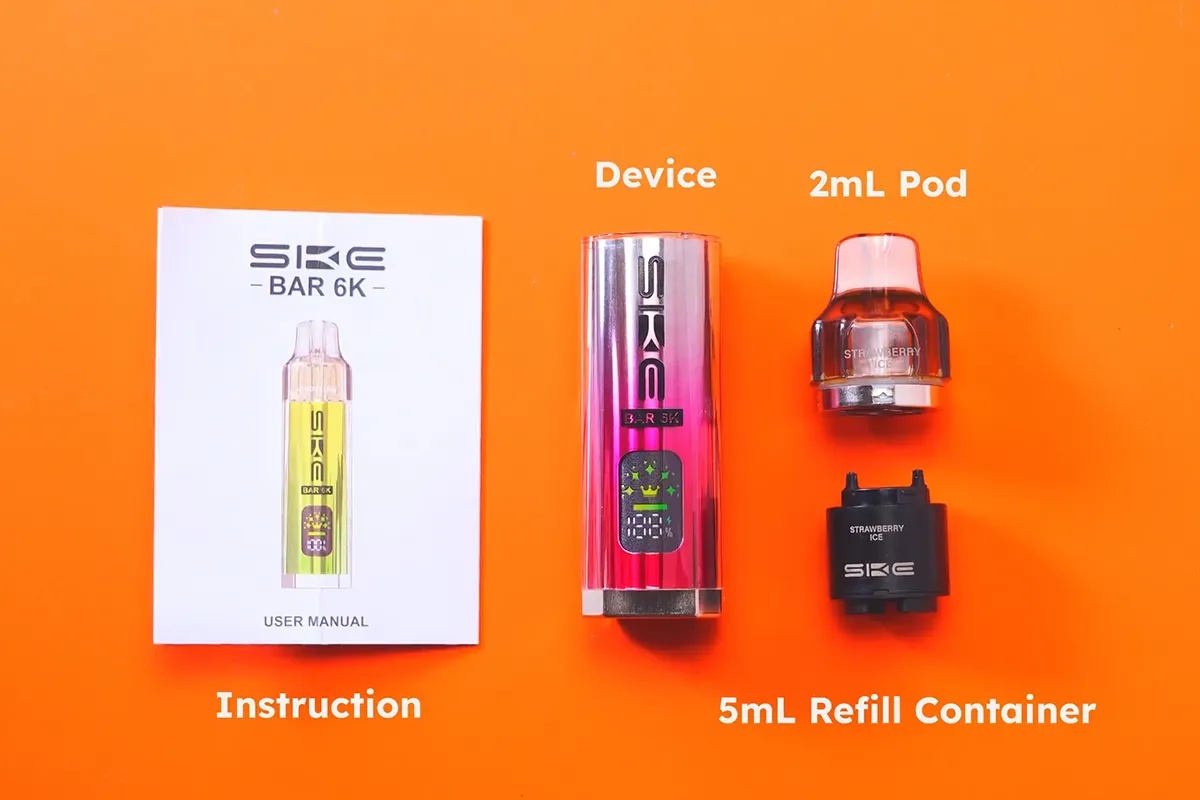

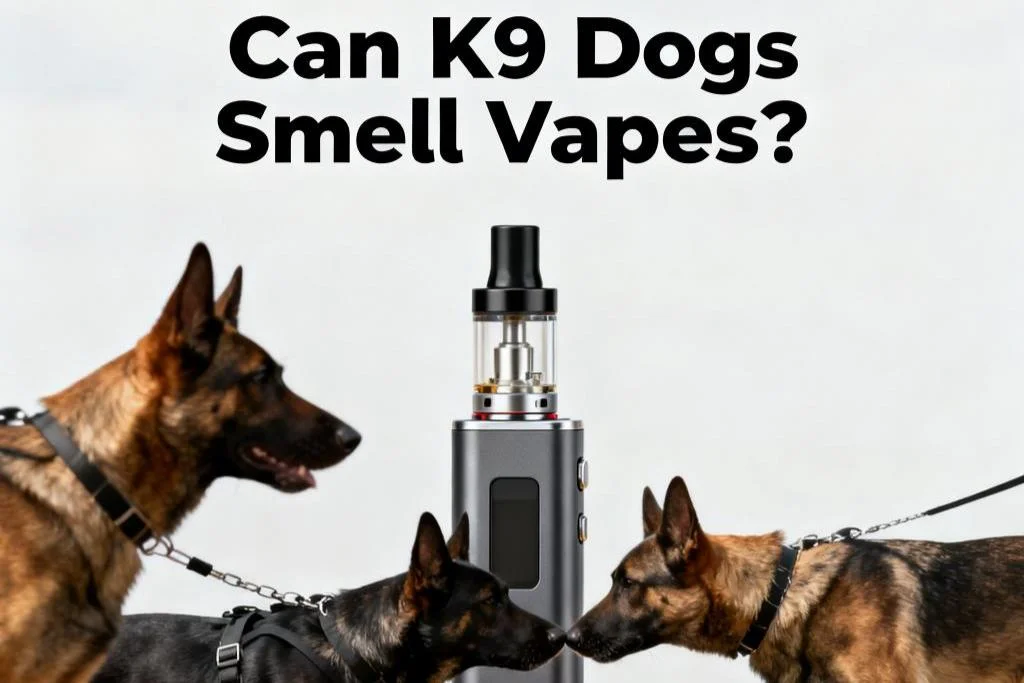
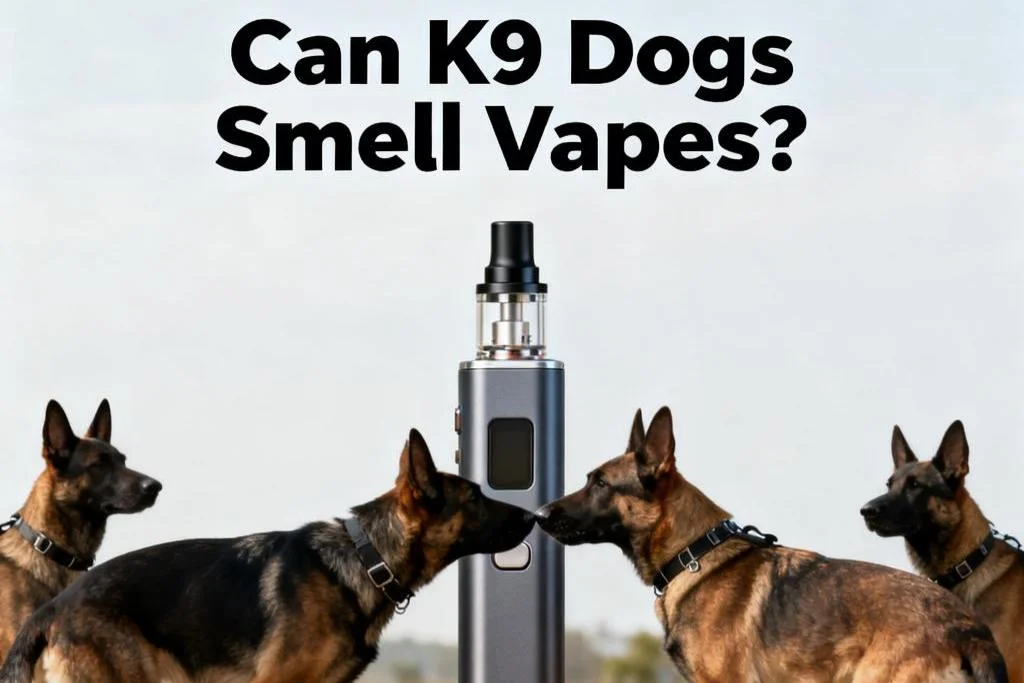
As vaping becomes more common in schools, airports, and public venues, many people wonder whether trained detection dogs can identify vape devices or e-cigarette vapor. The short answer is yes—trained K9 dogs can detect certain components associated with vaping, especially nicotine, cannabis residues, or other substances if they are specifically trained to identify them. However, the details depend heavily on the dog's training and the materials involved.
This guide explains how detection dogs work, what they can actually smell in vape products, and where vape detection dogs are commonly used.
How K9 Detection Dogs Identify Scents
Detection dogs used by law enforcement and security teams are trained to recognize specific odor signatures. Their sense of smell is extraordinarily sensitive—tens of thousands of times more powerful than that of humans.
During training, handlers teach dogs to identify a specific scent profile and reward them when they detect it.
Typical scent categories include:
- Narcotics such as cannabis, cocaine, or methamphetamine
- Explosives and firearms residue
- Currency or chemical compounds
- Agricultural products or food items
Importantly, dogs do not automatically detect every substance. They only alert when they recognize odors they were trained to identify.
Can K9 Dogs Smell Vape Devices?
Whether a dog can smell a vape depends on what is inside the device and what the dog is trained to detect.
1. Nicotine Vape Products
Many standard disposable or refillable vapes contain nicotine e-liquid. While nicotine has a detectable odor signature, most police dogs are not routinely trained to detect nicotine alone.
However, some school security programs and specialized detection units train dogs to detect nicotine-containing vape liquids.
2. Cannabis Vapes
Cannabis vape cartridges contain compounds derived from marijuana, such as THC. These compounds produce a distinct scent signature.
Dogs trained for drug detection can often identify cannabis even in vape cartridges.
3. Residual Odors
Even when a vape device is empty, small amounts of residue may remain on:
- Cartridges
- Pods
- Mouthpieces
- Carrying cases
A trained dog may detect these residues if they contain substances the dog recognizes.
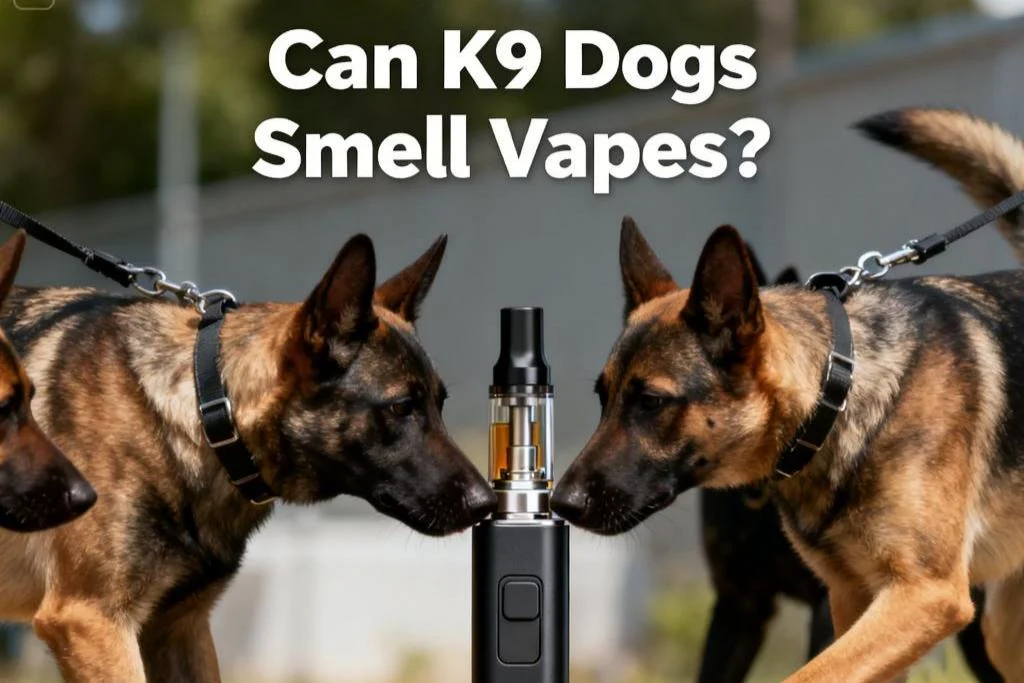
Where Vape Detection Dogs Are Commonly Used
In recent years, vape use among teenagers has led many institutions to expand detection efforts.
1. Schools
Many school districts in the United States now deploy vape detection dogs trained to identify:
- Nicotine vape liquids
- THC cartridges
- Disposable vape devices
These dogs are often used during locker inspections or campus sweeps.
2. Airports and Transportation
Airport security dogs primarily search for explosives or illegal drugs, not nicotine vapes. A standard nicotine vape typically will not trigger an alert unless it contains a substance the dog is trained to detect.
3. Public Events and Venues
Some venues employ detection dogs for drug enforcement, which may include cannabis vape cartridges.
Why Dogs Can Detect Even Small Amounts
A dog’s nose contains up to 300 million olfactory receptors, compared with about six million in humans. Their brains also dedicate a much larger area to scent processing.
Because of this biological advantage, trained K9 units can identify extremely small scent traces—even when they are sealed inside containers.
That said, proper packaging, environmental factors, and scent contamination can influence how easily a dog detects a substance.
Common Myths About K9 Dogs and Vapes
Myth 1: All dogs can smell vape devices
Not true. Dogs only detect substances they were trained to recognize.
Myth 2: Sealed containers completely block scent
Packaging may reduce odor but rarely eliminates it entirely.
Myth 3: Flavored vape juice hides the smell
Flavorings such as fruit or mint do not mask the chemical compounds dogs are trained to detect.
Legal and Safety Considerations
Vape detection often ties into broader public health and regulatory concerns.
For example:
- Many U.S. states prohibit vape possession for individuals under 21.
- Schools increasingly treat vape devices the same way as tobacco products under campus policies.
- Cannabis vape cartridges remain illegal in certain jurisdictions.
Understanding where vaping is permitted can help users avoid legal complications.
Conclusion
Detection dogs can identify vape-related substances such as nicotine or cannabis if they are trained for those odors. In environments like schools or drug enforcement settings, specialized dogs may be able to detect vape devices—even when they are concealed.
As vaping regulations and enforcement strategies evolve, the use of vape detection dogs is likely to become more common in educational institutions and public safety operations.
FAQs
1. Can police dogs smell nicotine vapes?
Some can. While many police dogs are trained primarily to detect narcotics or explosives, certain programs—especially in schools—train dogs specifically to identify nicotine vape liquids.
2. Can K9 dogs smell disposable vapes?
Yes, if the device contains substances such as nicotine or THC that the dog has been trained to detect.
3. Can dogs smell vape cartridges with THC?
Yes. Dogs trained for drug detection can often identify cannabis compounds in vape cartridges.
4. Can hiding a vape in a bag prevent dogs from smelling it?
Not reliably. Detection dogs can often identify scent traces even through bags or containers.
5. Are vape detection dogs used in schools?
Yes. Many school districts in the United States now use specially trained K9 units to detect nicotine and cannabis vape devices during campus inspections.