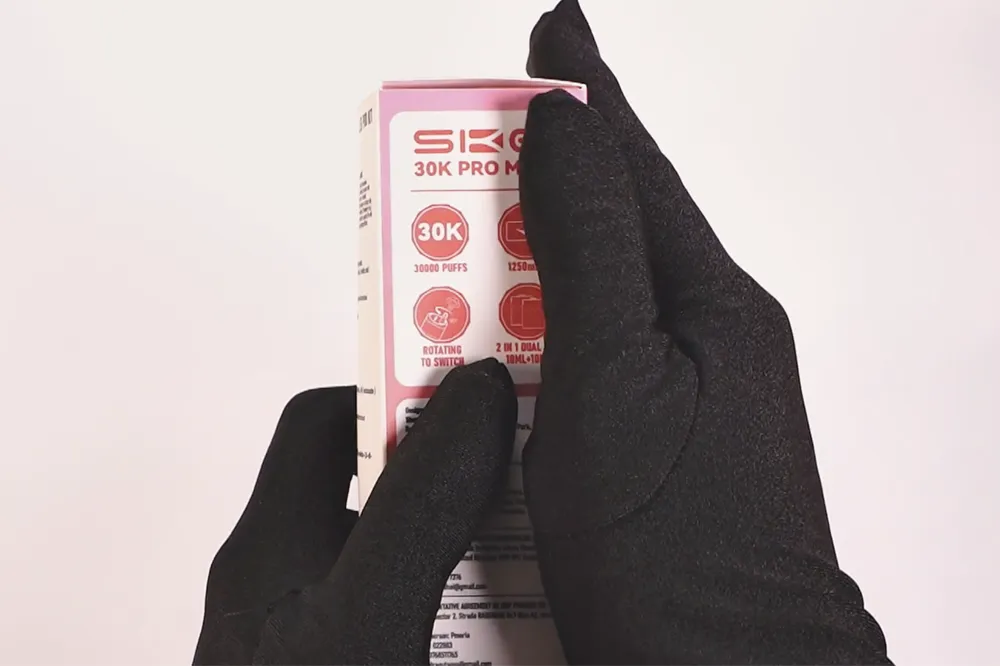

Opening a vape shop in 2026 is no longer just about stocking popular devices and flavors. It’s a regulated, competitive retail business that requires a clear understanding of licensing, compliance, supply chain, and customer acquisition. This guide breaks down exactly how to start a vape shop step by step, with a focus on compliance, costs, and practical strategies that actually work in the current market.
Understanding the Vape Retail Landscape
Before investing, it’s essential to understand how the vape industry has evolved:
- Heavily regulated market: In the U.S., vape products are overseen by the FDA under the Tobacco Control Act.
- Shift toward compliance: Products must meet Premarket Tobacco Product Application (PMTA) requirements.
- Retail consolidation: Smaller shops struggle without strong differentiation or compliance strategies.
Takeaway: A successful vape shop today is compliance-first, brand-driven, and customer-focused.
Step 1: Create a Business Plan
A solid business plan defines your direction and reduces risk. Include:
- Target market: Adult smokers transitioning to vaping, hobbyists, or disposable users
- Product focus: Disposable vapes, pod systems, e-liquids, accessories
- Revenue model: In-store retail, online sales, subscriptions
- Startup costs: Typically $50,000–$150,000 depending on location and inventory
Pro tip: Focus on a niche (e.g., premium devices or budget disposables) instead of trying to serve everyone.
Step 2: Choose the Right Location
Location directly impacts foot traffic and compliance.
- Avoid proximity to schools (local laws often restrict this)
- Look for high-visibility retail zones or strip malls
- Ensure zoning laws allow tobacco/vape sales
Alternative: Many new operators start with online vape stores due to lower overhead—but compliance is still strict.
Step 3: Register Your Business and Get Licenses
To legally operate, you’ll need:
- Business registration (LLC or corporation recommended)
- Employer Identification Number (EIN)
- State and local retail licenses
- Tobacco retail license (required in most U.S. states)
- Sales tax permit
Important: Some states and cities require additional vape-specific permits.
Step 4: Understand FDA and PMTA Compliance
This is where many new vape shops fail.
- Only sell products authorized or under review by the FDA
- Avoid counterfeit or non-compliant imports
- Maintain documentation from suppliers
Risk warning: Selling unauthorized products can result in fines, seizures, or business closure.
Step 5: Find Reliable Suppliers
Your supply chain determines product quality and legal safety.
Look for:
- Verified manufacturers or authorized distributors
- PMTA-aligned product lines
- Transparent documentation
Avoid:
- Unbranded or suspiciously cheap imports
- Suppliers without compliance paperwork
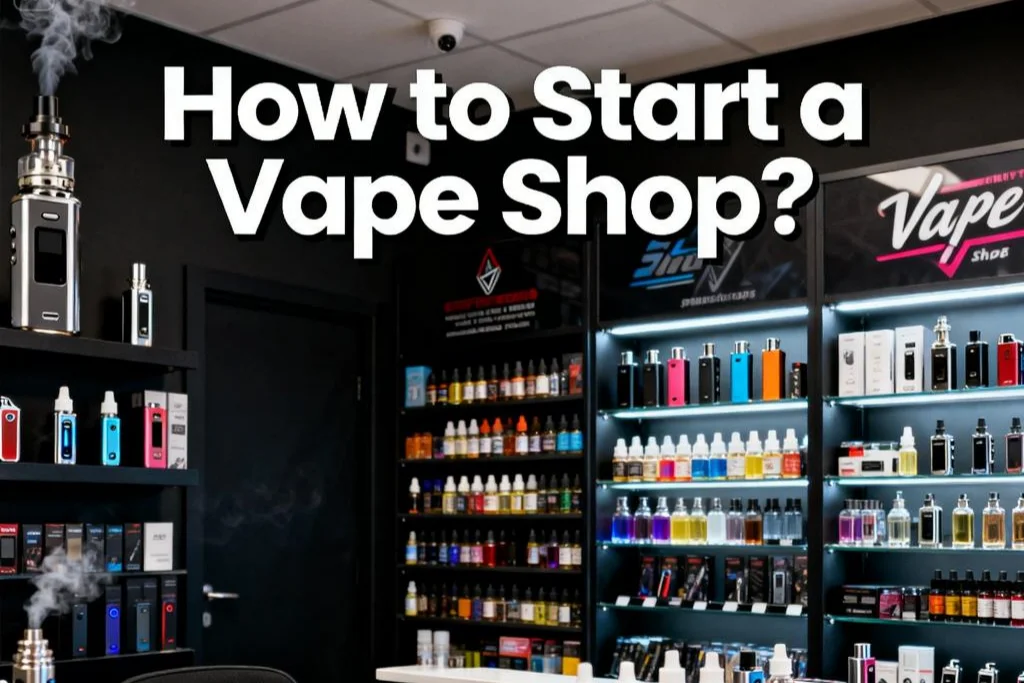
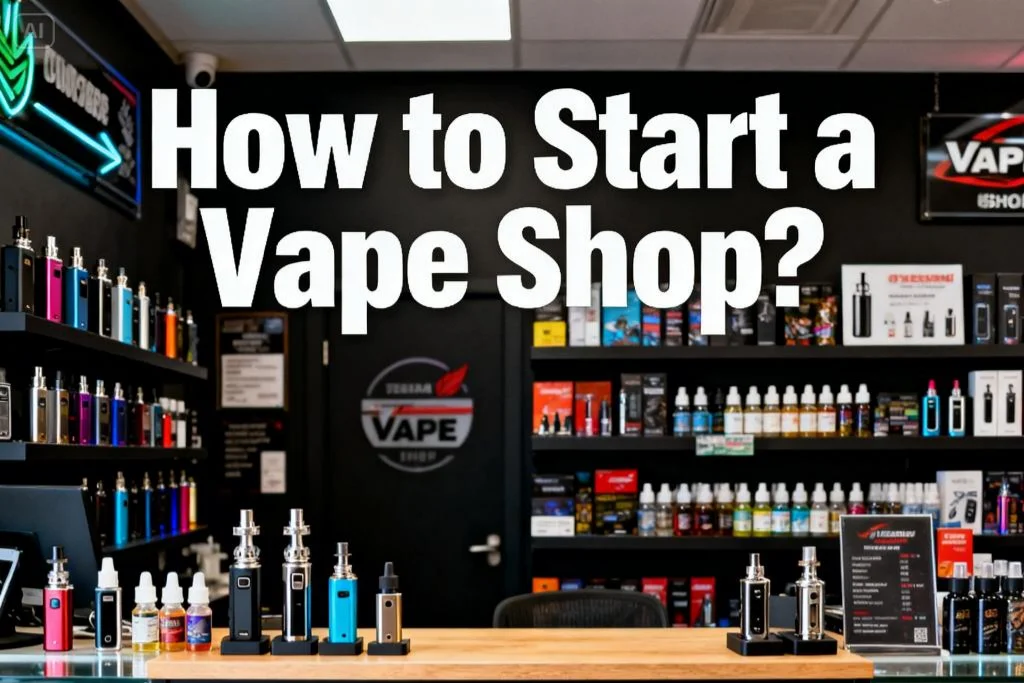
Step 6: Design Your Store and Customer Experience
Modern vape shops are more than retail—they’re experience-driven.
Key elements:
- Clean, professional layout
- Clear product categorization
- Knowledgeable staff
- Age verification systems
Trend: Many successful shops integrate lounges or tasting areas (where legally permitted).
Step 7: Build an Online Presence
Even if you’re opening a physical shop, online visibility is essential.
- Create a website optimized for local SEO
- List your shop on Google Business Profile
- Use age-gated e-commerce if selling online
- Leverage social media (within platform restrictions)
Step 8: Plan Marketing Within Legal Limits
Vape marketing is highly restricted, especially regarding youth appeal.
Allowed strategies:
- Email marketing (age-verified lists)
- Loyalty programs
- Local promotions
- Educational content
Avoid:
- Youth-targeted branding
- Health claims
- Misleading advertising
Step 9: Estimate Startup Costs
Typical breakdown:
- Rent and renovation: $10,000–$50,000
- Inventory: $20,000–$70,000
- Licensing and legal: $2,000–$10,000
- Marketing: $2,000–$5,000
- POS system and equipment: $3,000–$10,000
Total estimate: $50,000–$150,000+
Step 10: Stay Updated on Vape Laws
Regulations change frequently at federal, state, and local levels.
Stay informed by:
- Monitoring FDA announcements
- Following state legislation
- Joining industry associations
Reality check: Compliance isn’t a one-time step—it’s ongoing.
Common Mistakes to Avoid
- Selling non-compliant or counterfeit products
- Ignoring local licensing requirements
- Underestimating startup capital
- Failing to verify customer age
- Relying solely on walk-in traffic
Conclusion
Starting a vape shop in 2026 is a serious business venture—not a quick-profit opportunity. Success depends on regulatory awareness, strategic positioning, and consistent execution. Entrepreneurs who treat compliance and customer trust as core assets are the ones who survive and scale.
FAQs
1. How much does it cost to start a vape shop?
Startup costs typically range from $50,000 to $150,000, depending on location, inventory, and store size.
2. Do I need a license to sell vapes?
Yes. Most regions require a tobacco retail license, along with standard business registration and tax permits.
3. Can I start a vape shop online only?
Yes, but you must comply with strict age verification, shipping regulations, and federal laws like the PACT Act.
4. Is the vape business still profitable in 2026?
It can be profitable, but margins are tighter due to regulation, taxation, and competition. Success depends on compliance and differentiation.
5. What products should a new vape shop sell?
Focus on compliant, high-demand products such as disposable vapes, pod systems, and authorized e-liquids from reputable brands.