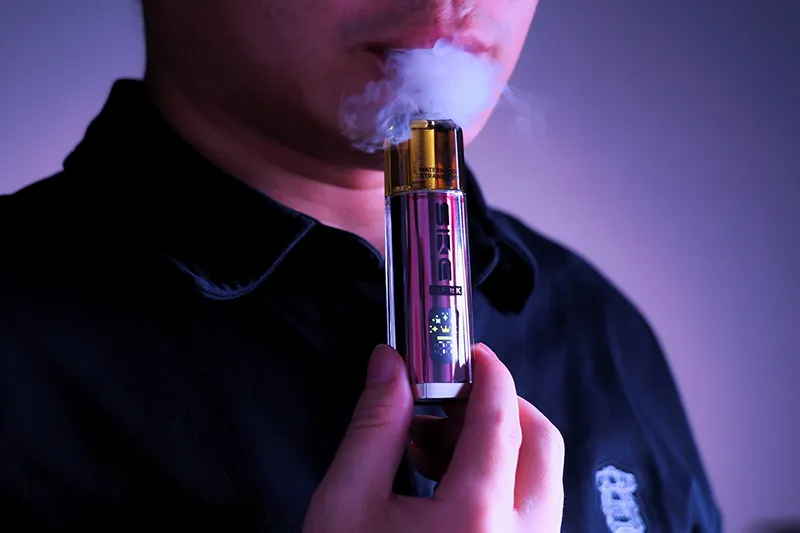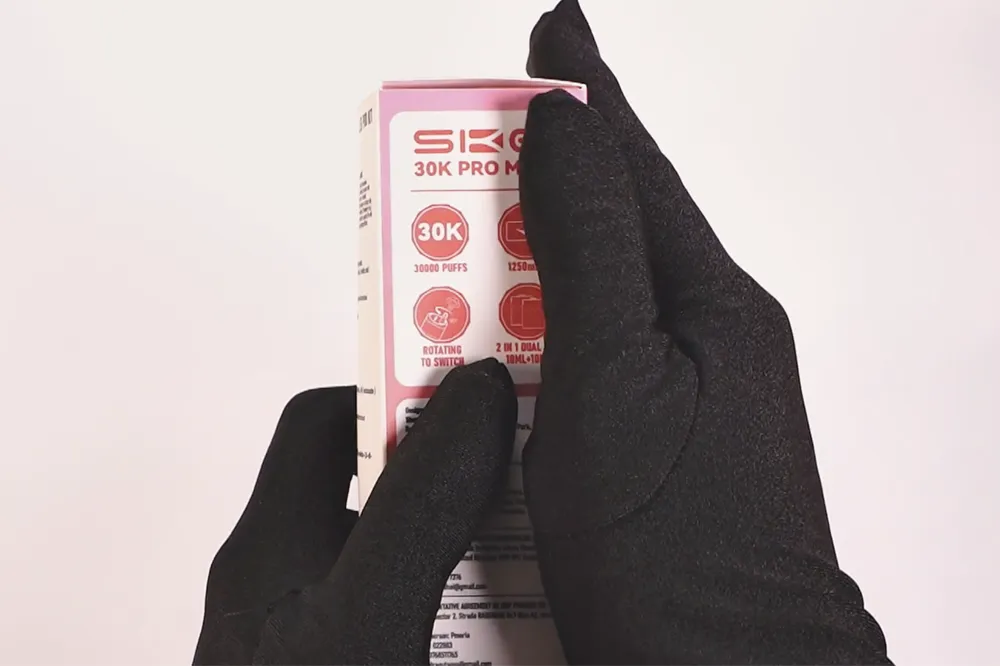

Among beginner vape tricks, the French inhale often appears simple at first glance. Vapour rises from the mouth and flows smoothly into the nose, creating a clean waterfall effect. In practice, however, this technique quickly reveals weaknesses in breath control, timing, and vapour handling. Many users find that even after understanding the steps, the result feels inconsistent. This is because the French inhale is not about force or speed. It is about separation of actions and restraint. Learning this technique early helps establish the control needed for nearly every other vape trick that follows.
Understanding the Mechanics of the French Inhale
The French inhale, sometimes called the Irish Waterfall, works because of basic airflow behaviour rather than strength. Vapour naturally moves upward when released slowly, as it is warmer and lighter than the surrounding air. The role of the nose is not to pull vapour aggressively, but to guide it gently using controlled breathing.
Unlike standard vaping, where inhalation and vapour release happen together, the French inhale divides these actions into stages. Vapour is first held in the mouth, then allowed to exit, and only afterward drawn upward through the nose. Once this separation becomes clear, the trick stops feeling random and starts to feel repeatable.
Why the French Inhale Feels Difficult for Beginners
Most beginners approach vape tricks using habits formed from smoking or everyday vaping. These habits include blowing vapour out, inhaling deeply, and moving quickly from one breath to the next. The French inhale requires the opposite approach.
When vapour is pushed out too fast, it disperses. When nasal inhalation is too strong, the vapour stream breaks apart. When mouth positioning is off, vapour stalls or collapses. These issues often overlap, making it hard to identify what went wrong. Recognising that this trick rewards patience rather than effort is often the moment when progress begins.
Common Mistakes and Their Causes
One frequent mistake is active exhalation. Many users blow vapour out without realising it, especially if they previously smoked. This disrupts the natural upward flow needed for the trick.
Another common issue is breathing too forcefully through the nose. Strong nasal airflow pulls vapour apart before it reaches the nostrils. If vapour disappears instantly, excessive nasal inhalation is usually the cause.
Some users also repeat attempts without pause. Warm vapour becomes thinner and harder to control. Short breaks between tries often improve results, even without changing technique.
Choosing a Vape Setup That Supports Learning
While technique matters most, equipment can influence the learning process. Devices with extremely open airflow or very high power output often produce turbulent vapour that is difficult to guide.
Setups with balanced airflow and consistent output tend to work better for practising beginner vape tricks. Predictable draw resistance helps develop timing and muscle memory. E liquid composition also plays a role. Liquids with higher VG content usually create vapour that holds together longer, making upward guidance easier.
Comfort and Awareness During Practice
The French inhale directs vapour through the nasal passages, which can feel unfamiliar. Occasional nasal inhalation is generally manageable, but repeated attempts without rest may cause dryness or irritation.
Comfort should guide practice sessions. Any irritation or strain is a sign to pause. Control and awareness matter more than repetition, especially when building new breathing habits.
Practical Tips for Mastering the French Inhale
The foundation of a clean French inhale is understanding that it is not a lung based trick. Vapour should remain in the mouth, not inhaled into the lungs. Holding it briefly allows the cloud to stabilise, making it easier to control as it exits.
Mouth positioning shapes the vapour flow. The lips should open slightly, with the lower lip gently forward. This creates a natural path upward. Any active blowing will immediately ruin the effect. When done correctly, vapour feels like it is falling out rather than being pushed.
Nasal inhalation determines success. A slow, steady inhale creates a gentle upward current that guides vapour smoothly. Beginners often inhale too quickly, causing vapour to vanish. The correct pace feels calm and light. If the nose feels harsh, the inhale is too strong.
Tongue placement should stay relaxed, usually resting toward the back of the mouth. Too much movement pushes vapour out too fast, while complete stiffness traps it. With practice, subtle guidance becomes natural without conscious effort.
Vapour density also affects consistency. Vapour that is too thin disperses instantly, while overly thick vapour can fall unevenly. Balanced vapour, produced through stable airflow and suitable e liquid ratios, offers the most reliable results.
Breath control ties everything together. The French inhale rewards slow release and gentle breathing. This same control later supports more complex techniques such as layered ghost inhales and other advanced variations.
Effective practice matters. Using a mirror helps visualise airflow. Taking breaks prevents rushed breathing. Progress often feels sudden, with consistent success appearing once timing and airflow align.
Conclusion
The French inhale is more than a visual effect. It is an introduction to vapour discipline, teaching restraint, timing, and awareness. These skills form the base of nearly every advanced vape trick. Once mastered, the French inhale becomes effortless and reliable, making future techniques easier to learn and refine.
If you are exploring vape options, you can check out https://www.skevape.com/product
FAQs
1. What is a French inhale when vaping?
A French inhale is a vaping technique where you draw vapor into your mouth first, then slowly push it out while inhaling it through your nose. Unlike direct lung inhales, the vapor is briefly held in the mouth before being inhaled nasally, creating a smooth and visually appealing effect.
2. Is French inhaling a vape bad for your nose?
French inhaling can cause mild irritation or dryness in the nose, especially if the e-liquid has a high nicotine strength or strong menthol flavor. While occasional French inhales are generally not harmful for most users, frequent nasal inhalation may increase discomfort compared to standard mouth-to-lung vaping.
3. What type of vape is best for French inhaling?
Low-wattage devices such as pod systems or mouth-to-lung (MTL) vapes work best for French inhales. These devices produce smoother, less dense vapor, making it easier and more comfortable to inhale through the nose without excessive throat or nasal irritation.
4. Does French inhaling deliver more nicotine?
French inhaling does not significantly increase nicotine absorption compared to regular mouth-to-lung vaping. In fact, some users may absorb slightly less nicotine because part of the vapor exits before reaching the lungs. Nicotine strength and puff duration play a larger role than the inhale style.
5. Can beginners learn how to French inhale a vape?
Yes, beginners can learn French inhaling with a bit of practice. Starting with lower nicotine levels and gentle airflow helps reduce irritation. Taking slow, controlled puffs and focusing on exhaling vapor smoothly from the mouth makes the technique easier to master over time.