
People want to know whether vapor can be concealed, how visible it really is, and what practical factors affect detection. As a vaping news editor, it’s important to approach this topic responsibly, grounded in facts, regulations, and real-world product knowledge.
This guide explains how vape aerosol behaves, why hiding it is more difficult than many assume, and what legal and safety considerations apply in 2026.
First, It’s Not “Smoke” — It’s Aerosol
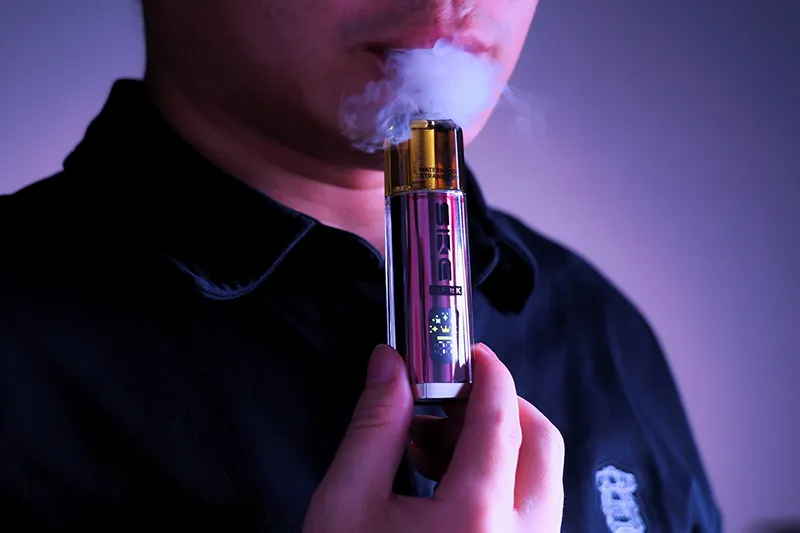
Although commonly called “vape smoke,” e-cigarettes produce aerosol, not smoke. Combustible cigarettes burn tobacco. Vapes heat e-liquid to create a visible vapor cloud.
According to the Centers for Disease Control and Prevention (CDC), e-cigarette aerosol typically contains:
- Nicotine (unless nicotine-free)
- Propylene glycol and vegetable glycerin
- Flavorings
- Trace metals from heating coils
- Volatile organic compounds (in varying amounts)
This distinction matters because aerosol behaves differently from tobacco smoke — but it is still visible and detectable.
Why People Search “How to Hide Vape Smoke”
Search intent analysis shows users usually fall into three categories:
- Discretion at home (avoiding conflict with family or roommates)
- Avoiding detection in restricted areas (school, workplace, hotel)
- Minimizing odor in shared spaces
However, it’s essential to state clearly:
Attempting to conceal vaping in areas where it is prohibited may violate local laws, school policies, workplace rules, lease agreements, or federal transportation regulations.
Can Vape Aerosol Actually Be Hidden?
1. Visibility Depends on Device Type
Cloud output varies significantly depending on:
- Wattage
- Coil resistance
- PG/VG ratio
- Airflow design
High-VG sub-ohm devices produce dense, lingering clouds. In contrast, low-wattage pod systems create smaller vapor output — but not invisible vapor.
Even compact devices still emit visible aerosol under normal lighting.
2. Vapor Dissipation Is Temporary
Vape aerosol disperses faster than cigarette smoke, but that does not make it undetectable. In enclosed spaces:
- Particles can linger for several minutes
- Odor may remain in fabrics and soft surfaces
- Airflow systems can circulate particles
Air purifiers may reduce airborne particles, but they do not instantly eliminate evidence of use.
3. Odor Is Milder — Not Odorless
Unlike tobacco smoke, vape aerosol typically carries a sweet or fruity scent depending on flavor. While less persistent than cigarette odor, it can still be noticeable — especially in small rooms or vehicles.
Legal and Policy Risks in 2026
In the United States, many states classify vaping similarly to smoking under indoor air laws. Federal agencies such as the U.S. Food and Drug Administration regulate e-cigarettes as tobacco products.
Common restricted environments include:
- Schools (often zero-tolerance policies)
- Airplanes and airports
- Trains, including Amtrak
- Government buildings
- Many workplaces
- Hotels with smoke-free policies
Concealing vaping in these settings may lead to:
- Fines
- Suspension or termination (school/work)
- Eviction risks (rental housing)
- Civil penalties depending on jurisdiction
Health Considerations Often Overlooked
When users search “how to hide vape smoke,” they rarely consider indoor air quality implications.
Even though vaping is generally considered less harmful than combustible smoking, secondhand aerosol exposure remains under study. Vulnerable populations include:
- Children
- Pregnant individuals
- People with asthma or respiratory conditions
Discretion should not override safety or informed consent of others in shared environments.
The Reality: There Is No Guaranteed Way to “Hide” Vaping
Online discussions frequently mention tactics such as:
- Exhaling into clothing
- Using sploof-style filters
- Running fans
- Masking scents
None of these methods eliminate aerosol particles entirely. Modern vape detectors installed in schools and commercial buildings are designed to detect aerosol density changes and specific chemical signatures.
If discretion is necessary, the safest and most compliant option is simple:
Vape only in designated areas where it is legally permitted.
Responsible Alternatives
If you’re concerned about discretion, consider:
- Nicotine pouches (where legal)
- Stepping outdoors
- Switching to lower-output devices
- Following posted no-vape policies
Compliance reduces both health risks and legal consequences.
Conclusion
Many users look for ways to make vaping less noticeable, but in practice, the aerosol produced by e-cigarettes is still visible, can linger in enclosed spaces, and may leave a detectable scent. While it typically dissipates faster than cigarette smoke, it is not invisible and can trigger detectors or violate smoke-free policies in schools, workplaces, hotels, and public transportation. Attempts to conceal use are often unreliable and may carry legal or disciplinary consequences, making it safer and more responsible to vape only where it is permitted.
FAQs
1. Can you hide vape smoke in your room?
You may temporarily reduce visible vapor, but aerosol particles can linger and odors may remain. In shared housing or rental properties, vaping indoors can still violate lease agreements or smoke-free policies.
2. Does vape smoke set off smoke alarms?
Most traditional smoke alarms are triggered by combustion particles, not vapor. However, dense vapor clouds can activate some optical detectors, and dedicated vape detectors are increasingly used in schools and commercial buildings.
3. How long does vape smoke stay in the air?
In a small, unventilated room, visible aerosol can linger for several minutes. Residual odor may persist longer, depending on airflow and surface absorption.
4. Is vape smoke easier to hide than cigarette smoke?
Vape aerosol dissipates faster and smells less pungent than cigarette smoke, but it is still visible and detectable — especially indoors.
5. Can hotels detect vaping in rooms?
Yes. Many hotels operate under smoke-free policies that include vaping. Odor complaints, room inspections, or specialized detection systems can result in cleaning fees or penalties.