
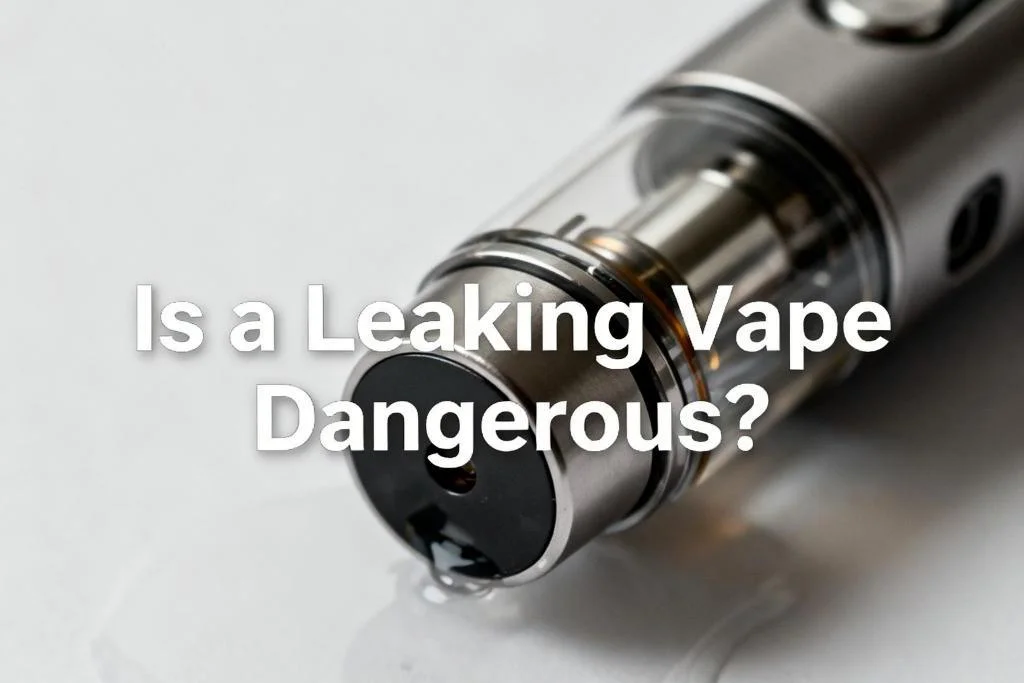
Leaking is one of the most common complaints among vapers. Whether you’re using a disposable device, a refillable pod system, or a sub-ohm tank, e-liquid escaping from the mouthpiece, airflow vents, or battery compartment can raise an important question: is a leaking vape dangerous?
The short answer is yes—it can be. While minor condensation or occasional seepage is often harmless, persistent leakage may pose health, safety, and device-related risks. Here’s what you need to know.
Why Do Vapes Leak?
Before assessing the risks, it’s important to understand why leaks happen. In most cases, leakage is caused by:
- Overfilling the tank or pod
- Damaged or misaligned O-rings
- Using the wrong coil resistance
- Temperature fluctuations (especially in hot cars)
- E-liquid that is too thin (high PG ratio)
- Worn-out coils
Modern devices regulated by the U.S. Food and Drug Administration (FDA) must meet manufacturing standards under the Premarket Tobacco Product Application (PMTA) pathway. However, design quality and user handling still significantly influence leak risks.
Is a Leaking Vape Dangerous to Your Health?
1. Skin Exposure to Nicotine
Most vape liquids contain nicotine. If e-liquid leaks onto your hands and remains on the skin, nicotine can be absorbed transdermally. While small amounts are unlikely to cause serious harm, higher-strength nicotine (such as 20–50 mg/mL nicotine salts commonly used in pod systems) may lead to:
- Nausea
- Dizziness
- Headaches
- Rapid heartbeat
Nicotine toxicity is rare from incidental skin contact, but it is more concerning for children and pets. According to the Centers for Disease Control and Prevention, accidental nicotine exposure should be handled by washing the affected area immediately and seeking medical advice if symptoms develop.
2. Accidental Ingestion
A leaking device stored in a pocket or bag can contaminate hands, food items, or other surfaces. Accidental ingestion of e-liquid—particularly by children—can be dangerous.
The U.S. Food and Drug Administration has repeatedly warned consumers to keep nicotine products out of reach of children and pets due to poisoning risks.
3. Inhalation Concerns
If a vape leaks internally, it may flood the coil. This can result in:
- Spitting hot e-liquid droplets (also called “spitback”)
- Inconsistent heating
- Burnt or metallic taste
While unpleasant, spitback can also cause minor mouth irritation or, in rare cases, small burns.
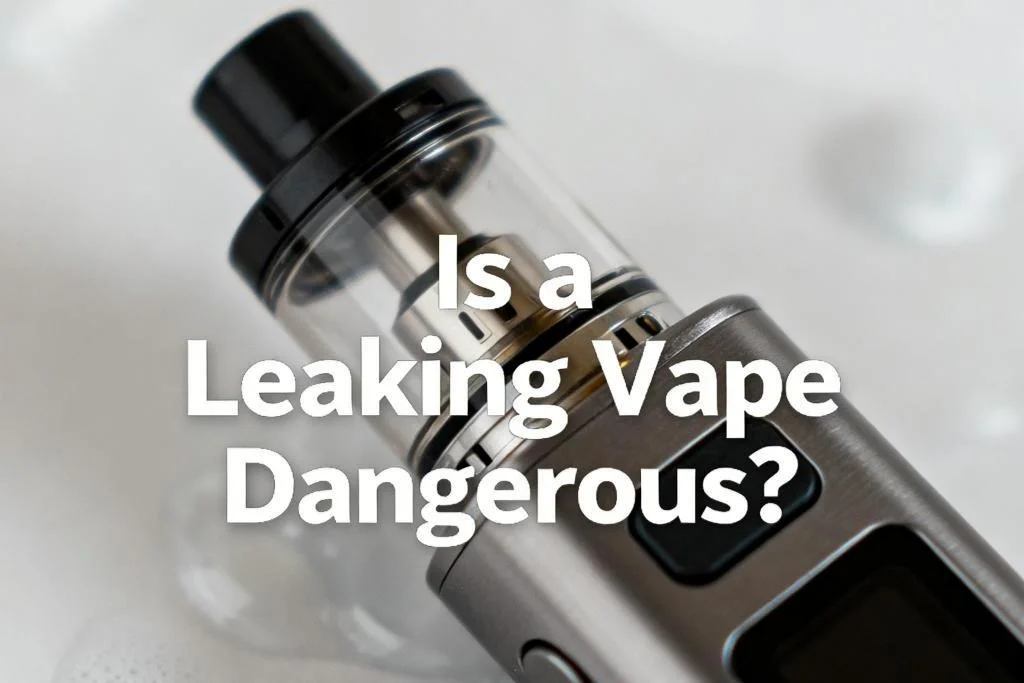
Is a Leaking Vape Dangerous to the Device?
Yes—especially if e-liquid reaches the battery compartment.
Most modern devices use lithium-ion batteries. When e-liquid seeps into the internal circuitry, it may:
- Cause short-circuiting
- Damage the chipset
- Increase overheating risk
Although severe battery failures are uncommon in regulated devices, compromised electronics increase malfunction risk. If your device feels unusually hot or auto-fires, stop using it immediately.
Environmental and Fire Risks
Leaking vapes left in high-temperature environments (such as inside a parked car) face additional risks. Heat thins e-liquid, making leakage more likely. At the same time, lithium-ion batteries are sensitive to extreme temperatures.
While vape-related battery fires are rare compared to other consumer electronics, leakage combined with battery damage increases risk factors.
When Is a Leaking Vape Not Dangerous?
Not all moisture indicates a serious issue.
You may notice:
- Light condensation inside the mouthpiece
- Small droplets around airflow holes
- Minor seepage after refilling
In many cases, this is normal condensation from vapor cooling—not a structural leak. Cleaning the device and ensuring proper assembly often resolves the issue.
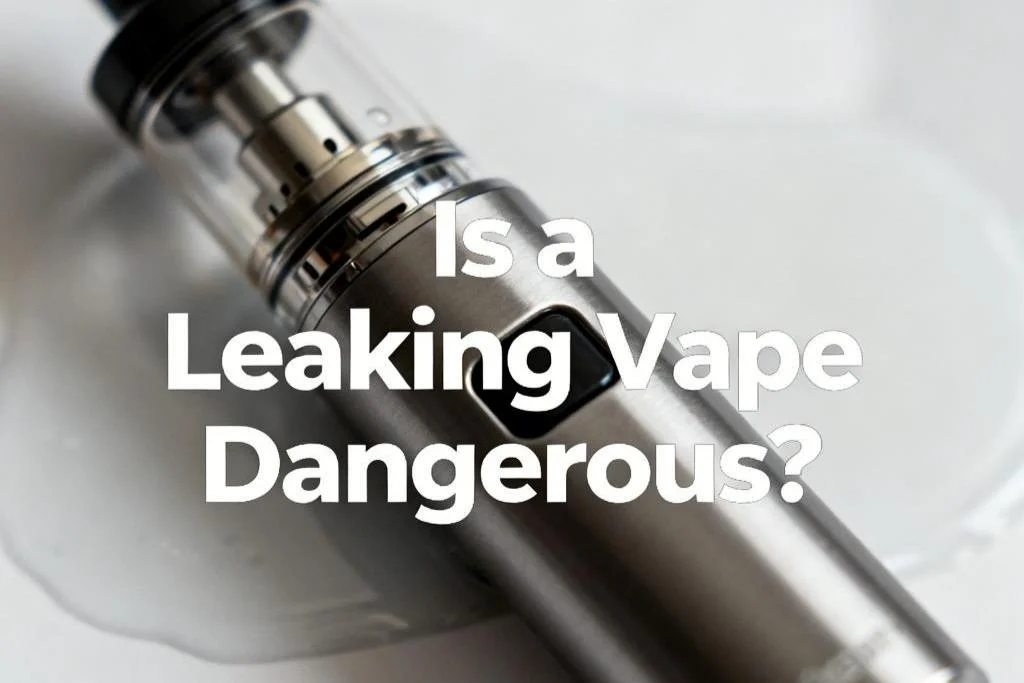
How to Fix a Leaking Vape Safely
If you’re dealing with leakage, follow these steps:
- Disassemble and clean the tank or pod with paper towels.
- Check O-rings for cracks or displacement.
- Replace the coil if it’s old or flooded.
- Avoid overfilling—leave a small air gap.
- Use the correct e-liquid viscosity (higher VG for sub-ohm tanks, balanced ratios for pods).
- Store upright and avoid extreme heat.
If leakage continues or reaches the battery section, replacing the device may be safer than repairing it.
Disposable Vapes and Leaks
Disposable devices are sealed units, but they can still leak due to:
- Manufacturing defects
- Pressure changes during shipping
- Internal seal failure
If a disposable vape leaks from the bottom or battery area, it should not be used. Do not attempt to open or repair it.
Legal and Consumer Safety Perspective
In the United States, vape products are regulated under the Family Smoking Prevention and Tobacco Control Act. Manufacturers must demonstrate product consistency and safety before marketing authorization.
However, device misuse and aftermarket modifications fall outside manufacturer liability. Users are responsible for:
- Proper maintenance
- Safe storage
- Following manufacturer instructions
Conclusion
It can be—depending on the severity and cause. Minor condensation is typically harmless. But persistent leaks involving nicotine exposure, battery damage, or device overheating present real safety concerns.
If leakage is frequent, reaches electronic components, or causes physical symptoms, stop using the device and replace it. Responsible handling and routine maintenance significantly reduce risk.
FAQs
1. Can leaking vape juice make you sick?
Yes. If absorbed through the skin in significant amounts or accidentally ingested, nicotine-containing e-liquid can cause nausea, dizziness, or headaches.
2. What should I do if vape juice gets on my skin?
Wash the area immediately with soap and water. If you experience symptoms such as rapid heartbeat or vomiting, seek medical advice.
3. Is it safe to vape if the device is leaking?
If the leak is minor and external, cleaning and fixing the issue may be safe. However, if e-liquid has reached the battery or internal electronics, stop using the device.
4. Why does my vape leak after refilling?
Overfilling, improper coil installation, or failing O-rings are the most common causes. Leaving a small air gap in the tank can prevent pressure-related leaks.
5. Can a leaking vape explode?
Explosions are extremely rare but can occur if a lithium-ion battery is damaged or short-circuited. Leakage into the battery compartment increases malfunction risk, so discontinue use if this happens.