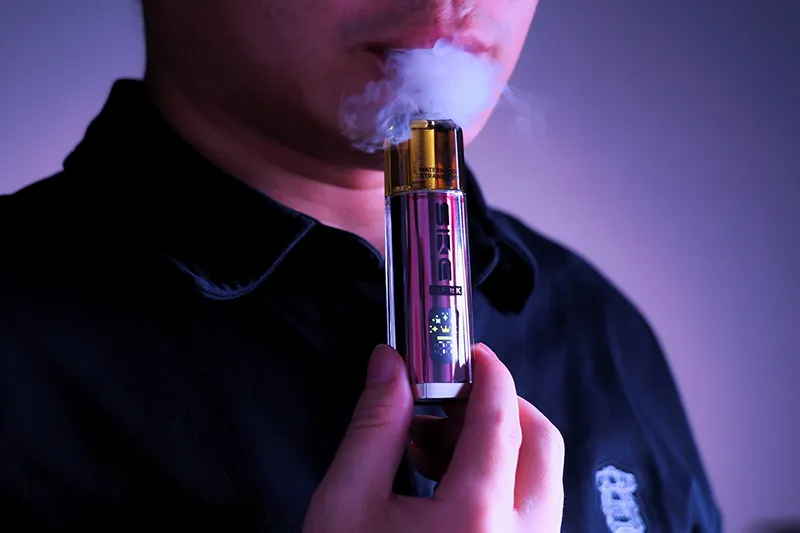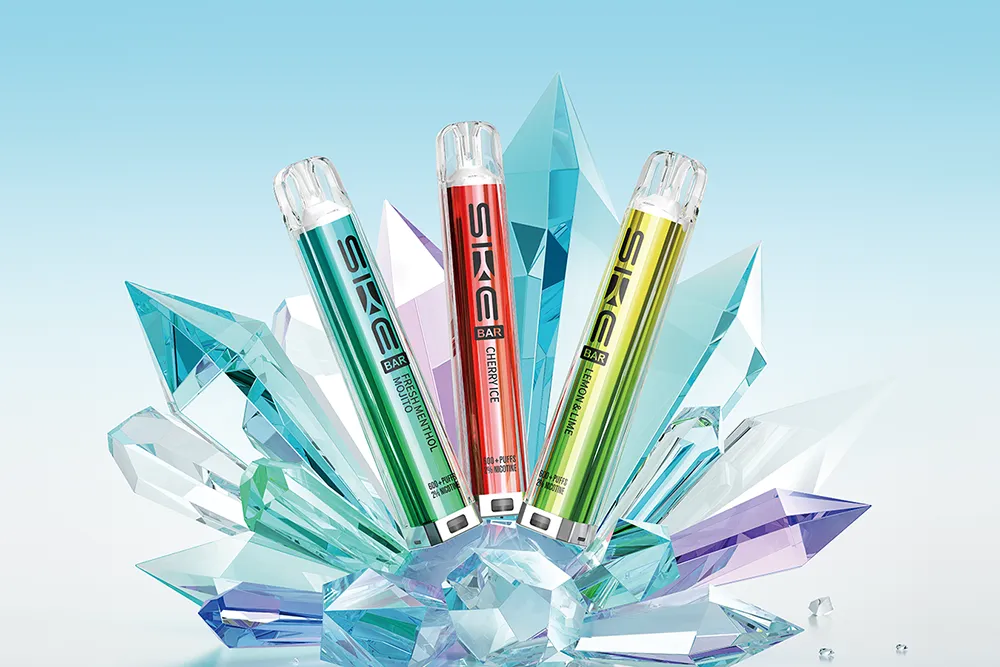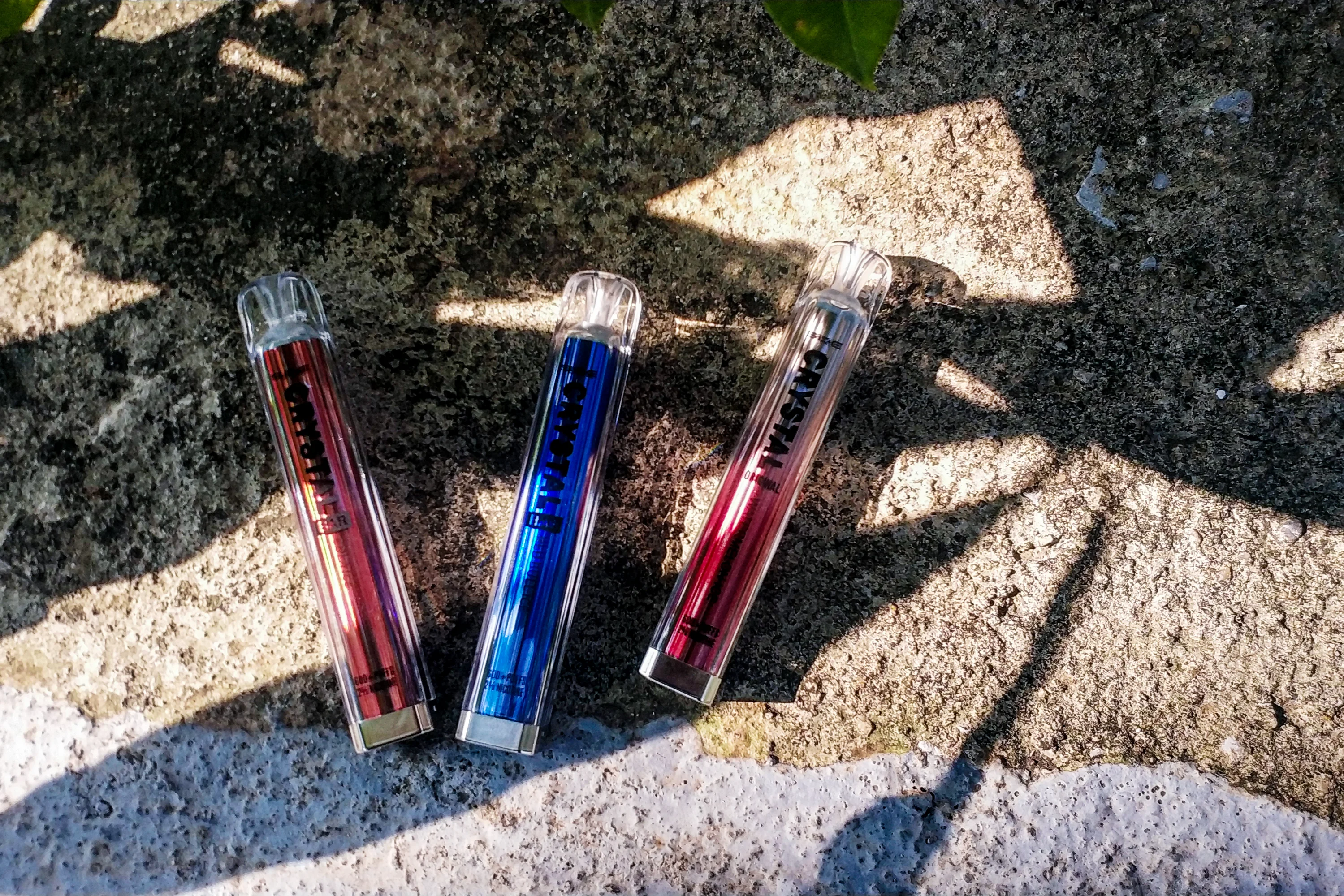

In recent years, Canadian authorities have taken a stricter approach toward vaping, particularly around youth access and flavored disposable devices. For international vape brands and users alike, understanding Canada’s latest vape laws has become increasingly important in 2026.
In this guide, SKE takes a closer look at the current legal status of vapes in Canada, including what products are allowed, the latest regulatory changes, and what consumers should know before buying or using vape products across different provinces.
Are Vapes Legal in Canada in 2026?
Yes, vapes are legal in Canada. Adults can legally purchase and use vaping products containing nicotine, provided the products comply with federal regulations under the Tobacco and Vaping Products Act (TVPA).
However, legality does not mean unrestricted access. Canada regulates:
- Nicotine concentration
- Product packaging
- Advertising and promotion
- Flavor availability
- Minimum purchase age
- Online sales
- Public vaping rules
Health Canada continues to tighten regulations as concerns about youth vaping and flavored disposable devices grow across the country.
What Vape Products Are Legal in Canada?
Most standard vaping devices are legal in Canada, including:
- Disposable vapes
- Pod systems
- Refillable vape kits
- Nicotine e-liquids
- Nicotine-free vape products
To remain legal, products must comply with Canadian federal standards.
Canada currently limits nicotine strength to a maximum of 20mg/mL (2%). This rule aligns closely with regulations in the UK and parts of Europe. Products exceeding the nicotine cap cannot legally be sold in the Canadian market.
Legal Age to Buy Vapes in Canada
The federal minimum age for purchasing vaping products is 18 years old, but several provinces have increased the legal age to 19.
| Province | Legal Age |
|---|---|
| Alberta | 18 |
| Quebec | 18 |
| Ontario | 19 |
| British Columbia | 19 |
| Nova Scotia | 19 |
| Manitoba | 19 |
Retailers must verify identification before selling nicotine vape products.
Are Disposable Vapes Legal in Canada?
Yes, disposable vapes are still legal in Canada in 2026. However, they face increasing scrutiny due to youth usage and environmental concerns.
Some provinces have introduced additional flavor restrictions or taxation policies targeting disposable devices specifically.
Health experts and lawmakers continue discussing whether stricter national controls on disposable vapes may be introduced in the future.
Are Flavored Vapes Legal in Canada?
Flavored vapes remain one of the most controversial areas of Canadian vape regulation.
At the federal level, some flavors are still legal, but several provinces have imposed their own restrictions.
Certain provinces restrict flavors to:
- Tobacco
- Mint
- Menthol
Other sweet or fruit flavors may be banned in physical retail stores.
The goal of these restrictions is to reduce youth vaping while still allowing adult smokers access to alternatives to combustible cigarettes.
Can You Vape in Public in Canada?
Public vaping laws vary by province and municipality.
In many parts of Canada, vaping is prohibited anywhere smoking is banned, including:
- Restaurants
- Bars
- Public transit
- Schools
- Government buildings
- Indoor workplaces
Some cities also restrict vaping near entrances and public gathering spaces.
Travelers should always check local provincial regulations before vaping in public areas.
Can Tourists Bring Vapes Into Canada?
Yes, travelers can generally bring personal vaping devices into Canada for personal use.
However, imported products must still comply with Canadian nicotine regulations. Bringing large quantities or non-compliant products may result in customs issues.
When flying:
- Vape batteries must usually stay in carry-on luggage
- E-liquids must follow airline liquid limits
- Certain flavored products may face additional scrutiny
Online Vape Sales in Canada
Online vape sales remain legal in Canada, but retailers must follow strict age verification requirements.
Most legitimate Canadian vape websites now require:
- Government-issued ID checks
- Adult signature on delivery
- Compliance with provincial shipping laws
Health Canada continues monitoring online vape marketing, especially social media promotions targeting younger audiences.
Conclusion
Vapes remain legal in Canada in 2026, but strict regulations apply to nicotine strength, flavors, sales, and advertising. From SKE’s perspective, staying compliant with evolving Canadian vape laws is essential for both consumers and brands as the market continues shifting toward stricter oversight and responsible product standards.
FAQs
1. Are nicotine vapes legal in Canada?
Yes. Nicotine vapes are legal in Canada if they comply with federal regulations, including the 20mg/mL nicotine limit.
2. What is the legal age to vape in Canada?
The legal age is either 18 or 19 depending on the province.
3. Are flavored vapes banned in Canada?
Not entirely. Some provinces restrict flavors, while others still allow broader flavor options.
4. Can tourists bring disposable vapes into Canada?
Yes, travelers can usually bring vapes for personal use, provided they follow airline and customs regulations.
5. Is vaping allowed indoors in Canada?
In many provinces, vaping is prohibited in the same indoor public places where smoking is banned.