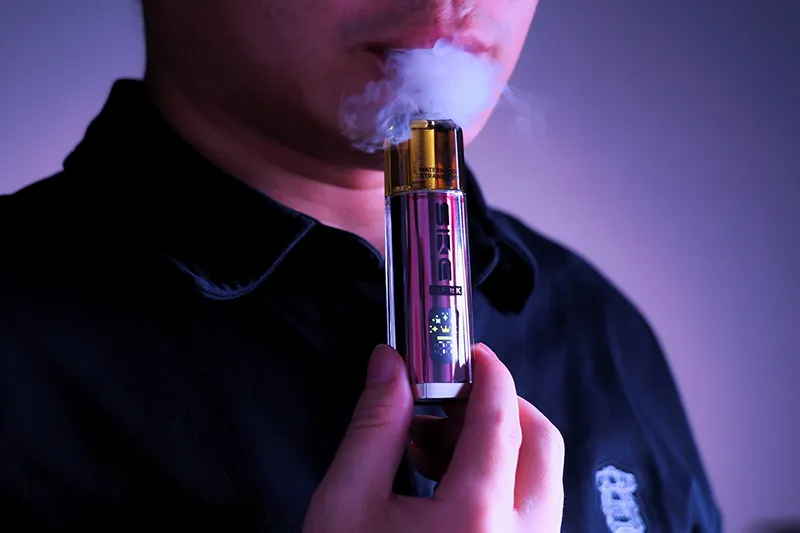

As vaping becomes more common in homes, offices, and public spaces, a key question keeps coming up: is it safe to vape indoors? While vaping is often marketed as a cleaner alternative to smoking, indoor use still raises concerns around air quality, secondhand exposure, and legal restrictions.
This guide breaks down what current research and regulations say, helping you make informed decisions based on evidence—not assumptions.
What Happens When You Vape Indoors?
Unlike traditional cigarettes, e-cigarettes don’t produce smoke—they generate an aerosol (often called vapor). This aerosol contains:
- Nicotine (in most products)
- Propylene glycol and vegetable glycerin
- Flavoring chemicals
- Trace amounts of volatile organic compounds (VOCs)
- Fine particulate matter (PM2.5)
When vaping indoors, these substances are released into the air and can linger, especially in poorly ventilated environments.
Is Secondhand Vape Exposure Harmful?
1. What the Research Says
Health authorities, including public health agencies in the U.S. and Europe, agree on one point: Secondhand vape aerosol is not harmless.
While it generally contains fewer toxic chemicals than cigarette smoke, studies show that indoor vaping can:
- Increase airborne nicotine levels
- Raise fine particle concentrations
- Expose bystanders to ultrafine particles
For most healthy adults, occasional exposure is unlikely to cause immediate harm. However, risk increases with frequency and poor ventilation.
2. Vulnerable Groups
Indoor vaping may pose greater risks to:
- Children and infants
- Pregnant women
- People with asthma or respiratory conditions
Even low-level exposure can irritate airways or worsen pre-existing conditions.
Indoor Air Quality: A Hidden Concern
Indoor environments trap pollutants more easily than outdoor spaces. When vaping occurs indoors:
- Aerosol particles can settle on surfaces (thirdhand exposure)
- Air circulation systems may spread particles across rooms
- Repeated use leads to accumulation over time
In small or enclosed spaces (like bedrooms, cars, or offices), these effects are amplified.
Does Ventilation Make Indoor Vaping Safe?
Good ventilation helps—but it doesn’t eliminate exposure.
Opening windows or using air purifiers can reduce:
- Odor
- Visible vapor
- Particle concentration
However, it does not fully remove nicotine or ultrafine particles from the air. Ventilation should be seen as a mitigation strategy, not a complete solution.
Is It Legal to Vape Indoors?
Indoor vaping laws vary widely depending on location.
United States Overview
- Many states and cities include vaping in smoke-free indoor air laws
- Vaping is often banned in:
- Private homes are generally not regulated, but landlords and employers may set rules
Before vaping indoors, it’s essential to check local regulations and property policies.
Social and Practical Considerations
Even where legal, indoor vaping isn’t always appropriate.
- Respect for others: Not everyone is comfortable with exposure
- Odor sensitivity: Some flavors linger and may bother others
- Workplace policies: Many companies prohibit vaping indoors regardless of local law
In shared environments, vaping outdoors is typically the safer and more considerate choice.
Safer Alternatives to Indoor Vaping
If you want to reduce risks while still using your device:
- Vape outdoors whenever possible
- Use designated smoking/vaping areas
- Avoid vaping around children or pets
- Choose well-ventilated spaces if indoors is unavoidable
Conclusion
Vaping indoors is less harmful than smoking, but it still releases nicotine and fine particles that affect air quality and expose others. Ventilation helps but doesn’t remove all risks, so vaping outside is the safer choice.
FAQs
1. Is secondhand vape worse than secondhand smoke?
No. Current evidence shows secondhand vape exposure is generally less harmful than cigarette smoke. However, it still contains nicotine and fine particles, so it is not completely safe.
2. Can vaping indoors trigger smoke detectors?
Yes, in some cases. Dense vapor clouds can set off certain types of smoke or particle detectors, especially in small or enclosed spaces.
3. Does vape smell stay in a room?
Yes, but usually not as long as cigarette smoke. Some flavors can linger on fabrics, walls, and furniture, especially with frequent indoor use.
4. Is it safe to vape indoors around pets?
Not recommended. Pets can be sensitive to airborne chemicals, including nicotine and flavoring compounds, which may affect their respiratory health.
5. Can air purifiers remove vape particles?
High-quality air purifiers with HEPA and activated carbon filters can reduce some particles and odors, but they cannot completely eliminate all harmful substances from vape aerosol.