

As vaping devices continue to evolve—from disposables to advanced pod systems—questions about safety remain at the forefront. One of the primary questions users seek to answer is: what metals are in vapes? This guide breaks down the materials used in e-cigarettes, how metals can enter vapor, and what current research says about potential health implications.
What Metals Are Found in Vapes?
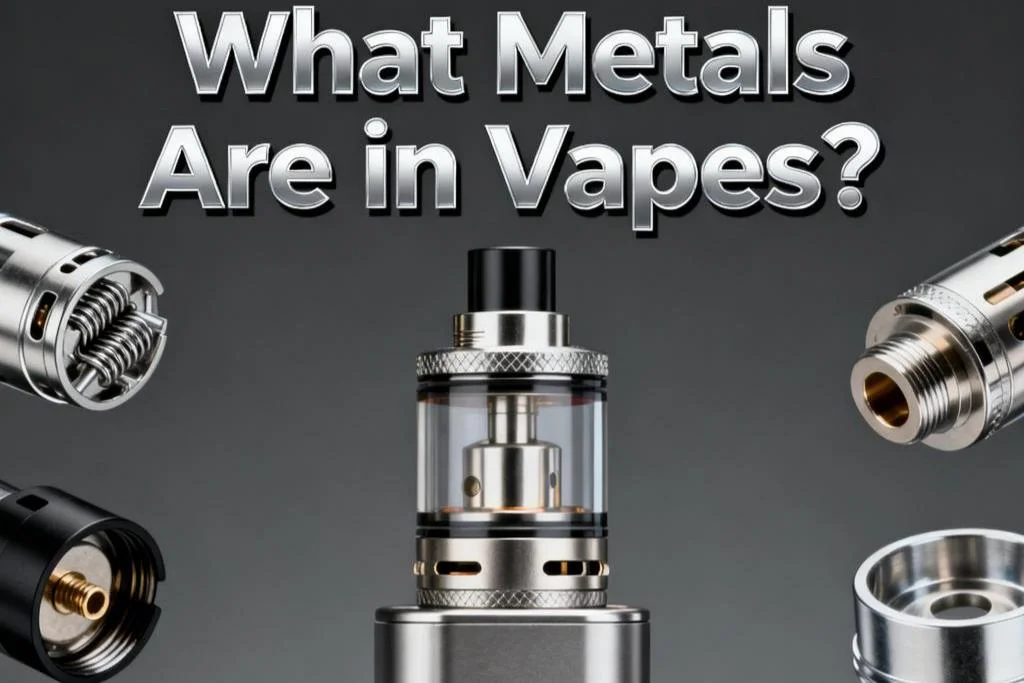
Vape devices contain several metal components, primarily within the heating system and internal circuitry. The most commonly identified metals include:
- Nickel – Used in heating coils due to its durability and resistance to high temperatures
- Chromium – Often combined with nickel (nichrome coils) to improve heat stability
- Stainless Steel – A mix of iron, chromium, and nickel, used in coils and structural parts
- Copper – Found in wiring and electrical connections
- Lead – Occasionally detected in trace amounts, often linked to solder joints or contamination
- Tin – Used in solder materials connecting components
- Aluminum – Present in device casings or internal parts
These metals are not unique to vaping—many are commonly used in electronics—but their presence becomes relevant when exposure occurs through inhalation.
How Do Metals Get Into Vape Aerosol?
Under normal operation, vape coils heat e-liquid to produce aerosol. However, this process can also release trace metals into the vapor due to:
- Thermal degradation of coil materials
- Repeated heating cycles, which can wear down metal components
- Poor manufacturing quality or inconsistent materials
- High power settings, which increase coil temperature
Research has shown that metals can leach into the aerosol, particularly when coils degrade over time or when devices are used improperly.

What Does Research Say About Metal Exposure?
Studies from organizations such as the Centers for Disease Control and Prevention and the World Health Organization indicate that:
- Some vape aerosols contain detectable levels of heavy metals, including nickel and lead
- Metal concentrations vary widely depending on device type, brand, and usage patterns
- In many cases, levels are lower than traditional cigarette smoke, but not risk-free
It’s important to note that exposure does not automatically equal harm; risk depends on dose, frequency, and duration.
Are Metals in Vapes Harmful?
The potential health impact of inhaling metals depends on several factors:
- Nickel and chromium: May cause respiratory irritation and allergic reactions in sensitive individuals
- Lead: Even low-level exposure is associated with long-term toxicity
- Ultrafine particles: Metal particles in aerosol can penetrate deep into the lungs
While vaping is generally considered less harmful than smoking, health authorities agree it is not completely safe, especially for non-smokers or young users.
Factors That Influence Metal Exposure
Not all vape devices carry the same level of risk. Key variables include:
- Device quality – Reputable brands typically use higher-grade materials
- Coil type – Ceramic or mesh coils may reduce metal leaching compared to traditional wire coils
- Usage habits – Frequent chain vaping or high wattage increases exposure
- E-liquid composition – Certain ingredients may accelerate coil degradation
How to Reduce Exposure to Metals When Vaping
For users who choose to vape, practical steps can help minimize potential risks:
- Replace coils regularly to avoid degradation
- Avoid excessively high wattage settings
- Use products from regulated and reputable manufacturers
- Store devices properly to prevent internal damage
- Avoid modifying devices or using incompatible parts
Regulatory Oversight and Safety Standards
In markets like the United States, agencies such as the Food and Drug Administration oversee vape product standards. Manufacturers must comply with regulations related to:
- Material safety
- Emissions testing
- Ingredient disclosure
However, enforcement varies globally, and unregulated products may pose higher risks.
Conclusion
Common metals like nickel, chromium, and copper are essential to device function, but they can also appear in trace amounts in the aerosol users inhale. Current evidence suggests that while vaping may expose users to fewer toxicants than smoking, metal exposure remains a legitimate concern, particularly with low-quality devices or improper use.
For consumers and industry professionals alike, understanding these materials is key to making informed decisions and improving product safety standards.
FAQs
1. Do all vapes contain metals?
Yes. Metals are essential for components like coils and wiring, but not all devices release the same levels into the aerosol.
2. Is metal exposure from vaping dangerous?
It can be, especially with long-term exposure. The level of risk depends on the type of metal and how much is inhaled over time.
3. Are disposable vapes more likely to contain metals?
Disposable vapes also contain metal components, but quality varies widely. Some studies suggest inconsistent manufacturing can increase contamination risks.
4. Can you avoid metals completely when vaping?
No. Since heating elements rely on metal, complete avoidance isn’t possible, but exposure can be reduced with proper device use and maintenance.
5. Are metals in vape aerosol worse than cigarette smoke?
Traditional cigarettes generally produce higher levels of toxic metals, but vaping is not risk-free and still exposes users to measurable amounts.