
India has one of the strictest regulatory environments for vaping products in the world. Vapes and e-cigarettes are effectively banned across the country. However, the full legal situation is more nuanced and important for consumers, travelers, and industry observers to understand.
This guide explains the current legal status of vaping in India, the law behind the ban, penalties, and what it means for consumers and businesses in 2026, based on official legislation and credible sources.
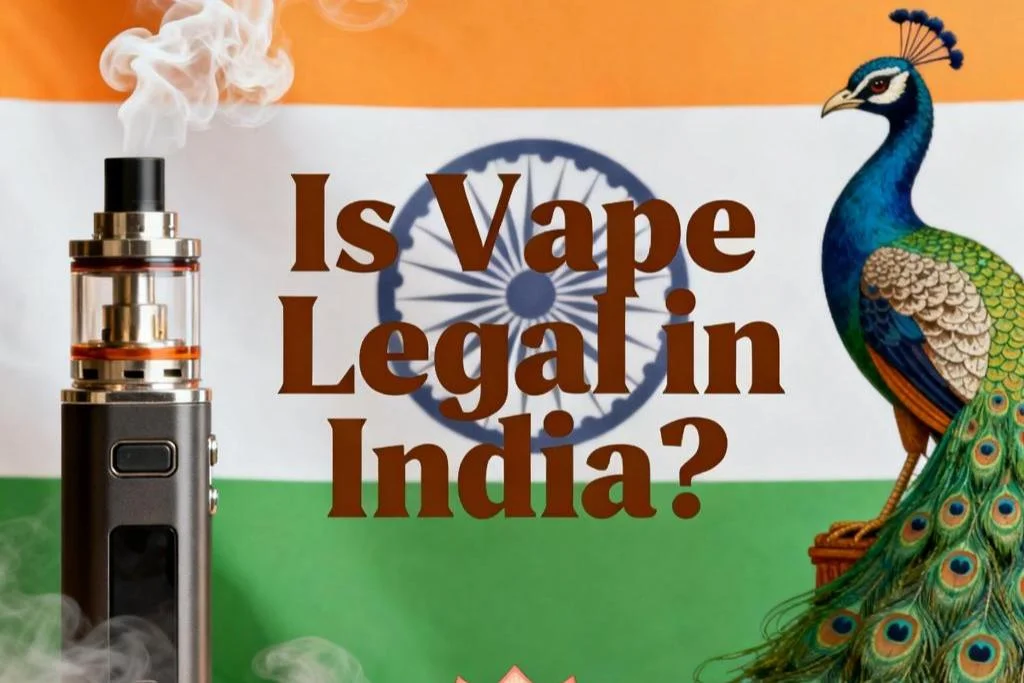
Is Vape Legal in India?
Vapes and e-cigarettes are illegal to manufacture, sell, import, advertise, or distribute in India.
The ban comes from the Prohibition of Electronic Cigarettes Act, 2019, which prohibits the production, manufacture, import, export, transport, sale, distribution, storage, and advertisement of electronic cigarettes and related devices.
This law covers:
- E-cigarettes
- Disposable vapes
- Vape pods and mods
- Heat-not-burn tobacco devices
- E-hookahs and other electronic nicotine delivery systems (ENDS)
In practice, this means the entire commercial vape industry is banned nationwide.
Why Did India Ban Vapes?
The Indian government introduced the ban primarily due to public health concerns and youth usage trends.
Officials argued that electronic nicotine delivery systems could increase nicotine addiction among young people and undermine tobacco control efforts.
Authorities also cited:
- Rapid global growth of vaping products
- Lack of long-term health data
- Risk of youth nicotine addiction
- Attractive flavors and marketing targeting younger users
As a result, India became one of the countries that adopted a complete national prohibition rather than regulation.
What Exactly Is Illegal Under India’s Vape Ban?
Under the 2019 law, the following activities are illegal:
- Manufacturing vape devices or e-liquid
- Importing vape products into India
- Exporting vapes from India
- Selling or distributing vaping products
- Transporting vapes for commercial purposes
- Advertising or promoting e-cigarettes
The law also applies to online sales and advertising, closing potential e-commerce loopholes.
Penalties for Selling or Distributing Vapes in India
Violating the vape ban can lead to significant penalties.
First offense
- Up to 1 year in prison
- Fine of up to ₹100,000 (about $1,200)
- Or both
Repeat offense
- Up to 3 years in prison
- Fine up to ₹500,000 (about $6,000)
In addition, storing vape products can result in:
- Up to 6 months imprisonment
- Fine up to ₹50,000.
Can You Vape Personally in India?
The law mainly targets commercial activities, not individual use. However, because importing, selling, and storing products are illegal, obtaining vape devices legally is extremely difficult.
Authorities have occasionally conducted raids and seizures of illegal vape sales, showing that enforcement remains active.
For practical purposes, vaping in India exists only in a gray or underground market.
Can Tourists Bring Vapes to India?
Travelers should be cautious.
Because the law bans import and transport of e-cigarettes, bringing vapes into India through airports or shipping them into the country may violate the law.
Travelers have reported:
- Customs confiscation of vape devices
- Seizures of e-liquid shipments
- Enforcement actions against retailers
Anyone traveling to India should check the latest regulations before bringing vape products.
Are Cigarettes Legal in India?
Yes. Traditional tobacco cigarettes remain legal but are heavily regulated under India’s tobacco control laws.
This creates a controversial policy situation where:
- Traditional cigarettes are legal
- Vaping products are completely banned
Public health groups remain divided on whether this approach reduces smoking or limits harm-reduction alternatives.
Will India Legalize Vapes in the Future?
As of 2026, there are no confirmed plans to lift the nationwide vape ban.
However, global trends in tobacco harm reduction and vaping regulation may eventually influence policy discussions. Some experts argue that regulated vaping markets could offer an alternative for adult smokers, while others support maintaining the strict prohibition.
For now, India remains one of the largest markets where vaping products are entirely banned.
Conclusion
Since the Prohibition of Electronic Cigarettes Act, 2019, the country has banned the manufacture, sale, import, and advertising of vaping products nationwide. While personal use is not always directly criminalized, obtaining vape devices legally is nearly impossible due to strict controls on supply and distribution.
For consumers, travelers, and businesses, understanding India’s vape laws is essential to avoid legal risks.
FAQs
1. Is vaping completely banned in India?
Yes. India prohibits the production, import, sale, distribution, and advertisement of vaping products nationwide under the 2019 law.
2. Can you buy vapes in India legally?
No. Vape sales—both offline and online—are illegal across the country.
3. What happens if someone sells vapes in India?
Selling or distributing vapes can result in up to one year in prison and a ₹100,000 fine for the first offense, and up to three years imprisonment for repeat violations.
4. Can tourists bring vapes into India?
Technically, importing or transporting e-cigarettes into India is prohibited, so travelers may face confiscation or penalties.
5. Why did India ban vaping?
The government banned vaping due to concerns about youth nicotine addiction, insufficient long-term health data, and public health risks.