
In the ongoing shift from traditional smoking to modern vaping, many long time smokers find themselves comparing experiences rather than statistics. A cigarette delivers a familiar rhythm. The first draw, the gradual rise of nicotine, the throat sensation, and the natural conclusion when it burns out. When switching to a 5% nicotine vape, the sensation often feels similar, yet the structure changes. There is no fixed endpoint, and satisfaction builds in a slower, more adjustable way. This difference is why questions continue to surface about how the puffs of a 5% vape compared to the familiar experience of enjoying a cigarette, and whether vaping truly replaces smoking on a puff for puff basis.
Understanding Nicotine Concentration
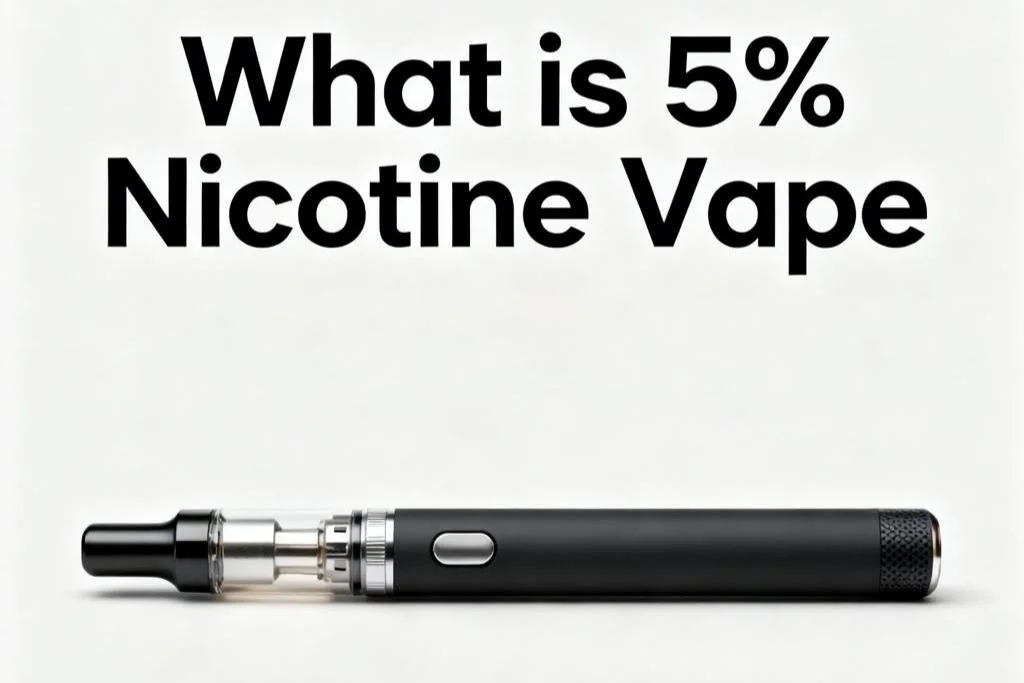
When looking at vape products, percentage figures such as 5% are displayed prominently. This number refers to nicotine concentration, meaning the amount of nicotine contained in the e-liquid. In practical terms, a 5% nicotine vape contains approximately 50 milligrams of nicotine per milliliter of liquid.
When compared to traditional cigarettes, the contrast becomes clearer. A single cigarette contains around 10 to 12 milligrams of nicotine, yet only about 1 to 2 milligrams are typically absorbed into the bloodstream. This difference highlights the role of nicotine bioavailability, which refers to how much nicotine actually enters the body during use.
In vaping, nicotine concentration alone does not determine absorption. Device design, inhalation technique, and vapor characteristics all influence how much nicotine is delivered. As a result, percentage figures describe potential nicotine content, not guaranteed intake.
Vaping vs Smoking: A Comparison of Nicotine Absorption
The way the body absorbs nicotine from vapor differs significantly from cigarette smoke. When inhaling vapor, nicotine tends to travel deeper into the lungs before entering the bloodstream. Cigarette smoke, made up of heavier particles, deposits nicotine more quickly in the upper respiratory tract.
Another important factor is propylene glycol, a common ingredient in e liquids. This compound enhances the transfer of nicotine across membranes, allowing for efficient absorption without combustion. While this can support smoother delivery, it also means intake varies depending on usage style.
Device variability further complicates comparisons. Pod systems, disposables, and higher powered devices all deliver vapor differently. Some produce smaller, more concentrated draws, while others generate larger volumes of vapor. Personal techniques such as puff length, depth of inhalation, and frequency also influence absorption. Longer and deeper puffs generally lead to faster nicotine uptake.
Taken together, these factors explain why vaping and smoking produce distinct nicotine intake profiles, even when the experience feels similar.
Vaping vs Smoking: A Comparison of Nicotine Absorption
The way the body absorbs nicotine from vapor differs significantly from cigarette smoke. When inhaling vapor, nicotine tends to travel deeper into the lungs before entering the bloodstream. Cigarette smoke, made up of heavier particles, deposits nicotine more quickly in the upper respiratory tract.
Another important factor is propylene glycol, a common ingredient in e liquids. This compound enhances the transfer of nicotine across membranes, allowing for efficient absorption without combustion. While this can support smoother delivery, it also means intake varies depending on usage style.
Device variability further complicates comparisons. Pod systems, disposables, and higher powered devices all deliver vapor differently. Some produce smaller, more concentrated draws, while others generate larger volumes of vapor. Personal techniques such as puff length, depth of inhalation, and frequency also influence absorption. Longer and deeper puffs generally lead to faster nicotine uptake.
Taken together, these factors explain why vaping and smoking produce distinct nicotine intake profiles, even when the experience feels similar.
Calculating Puffs to Cigarettes Ratio
Trying to calculate an exact vape puff equivalent to cigarette is challenging due to real world variability. Smoking and vaping behaviors differ widely from person to person, and no two devices deliver nicotine in the same way.
As a general reference, most smokers take around 10 to 15 puffs to finish a cigarette over several minutes. With a 5% nicotine vape, many users report reaching a comparable level of satisfaction within a similar range when using mouth to lung devices. However, some may require more puffs, while others need fewer.
Advanced devices with higher vapor output may reduce the number of puffs needed, while lighter draw systems may increase it. These figures should be viewed as context rather than rules, helping users understand potential intake rather than defining strict equivalence.
How Personal Smoking and Vaping Styles Impact Nicotine Intake
Individual behavior plays a major role in nicotine consumption. On the vaping side, puff duration and intensity strongly affect absorption. Longer and deeper puffs deliver more vapor and accelerate nicotine intake, while shorter draws slow the process.
Some users also modify delivery by holding vapor in the mouth before inhaling or by spacing out puffs. Frequency matters as well, as continuous vaping can lead to higher intake than occasional sessions.
Smoking habits show similar variation. Slow, deep cigarette draws deliver more nicotine than quick, shallow puffs. Daily cigarette count also influences overall exposure. Because of these differences, two people using the same product can experience very different results.
Why Nicotine Salts Feel Closer to Smoking
Nicotine salts play a key role in making 5% vapes feel more cigarette like. By reducing harshness at higher strengths, nicotine salts allow for smoother inhalation while maintaining effective delivery. This smoother sensation aligns more closely with the expectations of long time smokers.
As a result, fewer puffs are often needed to feel satisfied compared to lower strength freebase e liquids. This contributes to the perception that 5% nicotine vapes better replicate the cigarette experience.
High Puff Count Devices and Perceived Equivalence
Many modern disposable vapes advertise high puff counts, sometimes reaching into the tens of thousands. While this indicates device capacity, it does not directly translate into cigarette equivalents.
A rough reference often compares 200 to 300 vape puffs to the physical puff volume of a pack of cigarettes, but actual nicotine intake depends on how the device is used. With 5% nicotine products, continuous use can extend far beyond what most smokers would consume in cigarette form.
Health Implications and Misconceptions
Discussions around vaping and smoking are often framed in extremes. Vaping eliminates combustion, which significantly reduces exposure to many harmful substances found in cigarette smoke. This is why vaping is often discussed as a harm reduction option for existing adult smokers.
However, nicotine remains addictive regardless of delivery method. A 5% vape can still lead to higher intake if used without awareness. Understanding cigarette vs vape puffs allows users to make more informed decisions rather than assuming equivalence.
Education, moderation, and responsible use are central to managing nicotine consumption effectively.
Tips for Managing Nicotine Intake With a 5% Vape
Focus on sessions rather than individual puffs: Replacing a smoking break with a vaping session provides a more realistic structure than counting inhalations.
Adjust draw length before changing strength: Shorter draws can reduce intake, while slightly longer draws may improve satisfaction without increasing frequency.
Choose devices designed for consistent delivery: Stable airflow and predictable vapor output make nicotine intake easier to manage.
Create intentional stopping points: Since vapes do not end automatically, stepping away once satisfied helps prevent unconscious overuse.
Pay attention to physical signals: Lightheadedness or throat irritation often indicate excessive intake and signal the need to slow down.
Conclusion
Determining an exact answer to how many vape puffs equal one cigarette is difficult due to differences in devices, behaviors, and individual response. However, understanding nicotine concentration, absorption, and personal habits allows users to better evaluate their own intake.When approached with awareness and intention, a 5% nicotine vape can closely mirror the familiar cigarette experience without relying on rigid puff counts. The key lies in informed use and mindful moderation.
If you are exploring vape options, you can check out https://www.skevape.com/product
FAQs
1. What does “5% nicotine” mean on a vape?
When a vape product says it has 5% nicotine, it means the e-liquid contains 5% nicotine by volume. In practical terms, this equals 50 milligrams of nicotine per milliliter (50 mg/mL) of e-liquid.
2. Is 5% nicotine considered a high strength for a vape?
Yes — 5% nicotine is very high compared with other strengths like 2% (20 mg/mL) or 3% (30 mg/mL). This level delivers a powerful nicotine dose and is typically used by heavy smokers switching to vaping or by experienced vapers wanting a strong hit.
3. How does 5% nicotine in a vape compare to cigarettes?
Each milliliter of 5% vape liquid (50 mg of nicotine) contains a high amount of nicotine compared with individual cigarettes. While the way the body absorbs nicotine differs between vaping and smoking, a single 5% pod or disposable device can contain roughly as much nicotine as a pack of cigarettes.
4. Why are some vapes sold at 5% nicotine strength?
High nicotine strengths like 5% are common in products using nicotine salts, which make the vapor smoother and easier to inhale despite elevated nicotine levels. This helps satisfy cravings more quickly — often appealing to heavy smokers transitioning away from cigarettes.
5. Is a 5% nicotine vape suitable for beginners?
Generally no. Because 5% is quite strong, beginners or non-smokers may experience strong effects like dizziness, nausea, or rapid nicotine dependence. New users are often advised to start with lower nicotine percentages.