
Walk into almost any liquor store today and there’s a good chance you’ll spot disposable vapes behind the counter next to cigarettes, cigars, or nicotine pouches. As vaping products continue expanding across the U.S. retail market, many consumers now buy vapes from convenience stores, gas stations, vape shops, and increasingly, liquor stores.
This guide explains where liquor stores can legally sell vapes, what types of devices they typically carry, age restrictions, pricing, and the risks consumers should know before purchasing.
Do Liquor Stores Usually Sell Vapes?
Yes, many liquor stores sell vapes in 2026, especially disposable vape products. In areas where tobacco retail licenses are permitted, liquor stores often stock:
- Disposable vapes
- Pod systems
- Nicotine pouches
- E-liquids
- Cigarettes and cigars
- Rechargeable vape kits
However, not every liquor store is authorized to sell vaping products. Vape availability depends on:
- State tobacco laws
- Local city regulations
- Retail licensing requirements
- Flavor restrictions
- FDA enforcement policies
In some states, liquor stores operate similarly to convenience stores and can legally sell nicotine products. In other areas, vape sales are restricted to licensed tobacco retailers or specialty vape shops.
Why Are Liquor Stores Selling More Vapes?
Several factors have pushed liquor stores into the vape retail market:
1. High Consumer Demand
Disposable vapes remain one of the fastest-selling nicotine products globally. Customers frequently purchase them alongside alcohol, snacks, or lottery items during quick retail visits.
2. Higher Profit Margins
Vapes often generate better margins than traditional cigarettes. Popular disposables can offer strong retail markups for independent liquor store owners.
3. Convenience Shopping Trends
Consumers increasingly prefer one-stop retail experiences. Many buyers would rather purchase vape products locally instead of ordering online and waiting for shipping.
4. Growth of Disposable Vape Brands
Brands like:
- Geek Bar
- Lost Mary
- Elf Bar
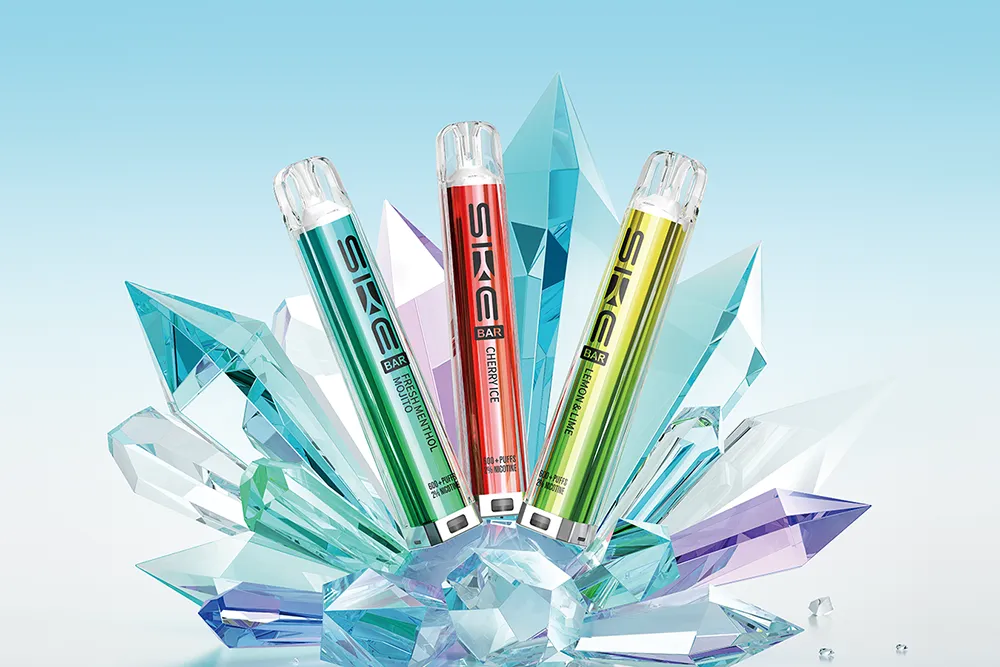
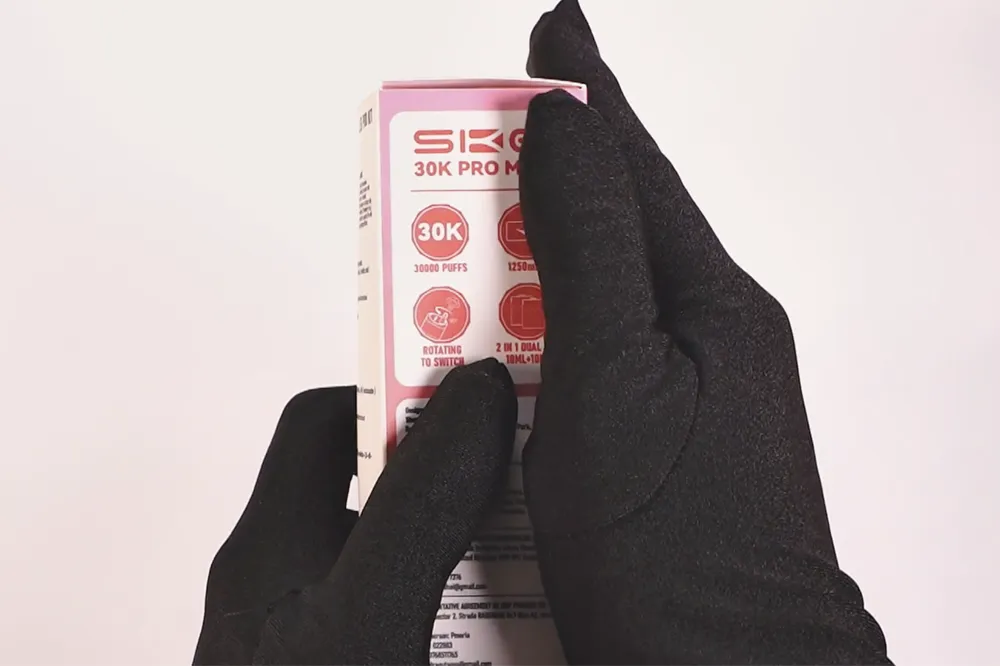
- SKE
have expanded rapidly across non-traditional retail channels, including liquor stores and mini markets.
What Types of Vapes Do Liquor Stores Sell?
Most liquor stores focus on beginner-friendly and high-turnover products.
Disposable Vapes
Disposable devices dominate liquor store shelves because they are:
- Easy to use
- Pre-filled
- Rechargeable
- Low-maintenance
- Affordable for casual users
Popular puff ranges now include:
- 5,000 puffs
- 10,000 puffs
- 15,000+ puffs
Pod Systems
Some larger liquor stores carry refillable pod systems, particularly closed-pod devices designed for smokers switching from cigarettes.
Nicotine Strength Options
Common nicotine levels include:
- 2%
- 3%
- 5%
Availability varies depending on local nicotine concentration regulations.
Are Liquor Store Vapes Legitimate?
Not always.
One of the biggest concerns in the vape industry is the presence of unauthorized or counterfeit products in smaller retail environments.
Consumers should watch for:
- Missing authentication codes
- Poor packaging quality
- No manufacturer labeling
- Extremely low pricing
- No FDA compliance information
- Expired devices
Counterfeit disposable vapes have become a growing issue across the U.S. market, especially with high-demand brands.
Can Liquor Stores Legally Sell Vapes?
In many U.S. states, yes — but only with proper tobacco or nicotine retail licensing.
Retailers may also need to comply with:
- Tobacco tax registration
- FDA age verification rules
- Flavor restrictions
- State excise taxes
- PMTA-related enforcement policies
Some cities have implemented stricter local laws that prohibit flavored vape sales entirely, even if state law allows them.
For example, several California municipalities restrict flavored nicotine products, affecting what liquor stores can legally stock.
How Old Do You Have to Be to Buy a Vape at a Liquor Store?
Under U.S. federal law, buyers must be at least 21 years old to purchase vape products.
Retailers are required to verify age before completing sales. Many liquor stores now use electronic ID scanners for compliance.
Attempting to purchase vapes with a fake ID can result in:
- Product confiscation
- Retail penalties
- Fines
- Possible criminal charges depending on local law
Are Vapes More Expensive at Liquor Stores?
Usually, yes.
Compared with dedicated vape shops or online retailers, liquor store pricing is often slightly higher due to:
- Lower inventory volume
- Convenience pricing
- Regional taxes
- Distributor markups
However, some consumers still prefer liquor stores because products are immediately available without shipping delays.
Should You Buy Vapes From a Liquor Store?
That depends on the store and product quality.
A Liquor Store May Be a Good Option If
- You need a vape immediately
- The store is licensed
- Products appear authentic
- Packaging is sealed and verifiable
- The retailer stores products properly
A Dedicated Vape Shop May Be Better If You Want
- Product recommendations
- Wider flavor selection
- Advanced devices
- Coil replacements
- Expert guidance
- Authenticity guarantees
Experienced vapers often prefer specialized vape retailers for better inventory quality and customer support.
How Vape Laws Affect Liquor Store Sales in 2026
The vape industry continues changing rapidly due to regulatory pressure.
Key trends affecting liquor store vape sales include:
FDA Enforcement
The FDA continues targeting unauthorized disposable vape imports and flavored nicotine products.
Flavor Bans
Some states and cities now restrict:
- Fruit flavors
- Candy flavors
- Menthol products
This directly impacts liquor store inventory.
Increased Retail Licensing
More states are introducing stricter tobacco retailer licensing systems to control underage access.
Tax Increases
Several U.S. states increased vape excise taxes in 2025 and 2026, raising retail prices across convenience and liquor stores.
Conclusion
Disposable vapes have become common products in liquor stores due to strong consumer demand and attractive retail margins. Still, consumers should remain cautious. Product authenticity, local vape laws, and retailer licensing all matter when purchasing nicotine products from non-specialty stores.
For casual buyers, liquor stores offer convenience. For experienced users seeking broader selection and product expertise, dedicated vape shops still provide the better overall experience.
FAQs
1. Can you buy disposable vapes at liquor stores?
Yes. Many liquor stores sell disposable vapes, especially popular brands and high-puff devices. Availability depends on local laws and licensing.
2. Do all liquor stores sell vape products?
No. Some liquor stores choose not to carry nicotine products, while others may be restricted by state or city regulations.
3. Are liquor store vapes authentic?
Some are authentic, but counterfeit products can exist. Buyers should check packaging, authentication codes, and overall product quality before purchasing.
4. Why are disposable vapes common in liquor stores?
Disposable vapes are easy to stock, require minimal customer support, and sell quickly due to convenience and strong market demand.
5. Is it cheaper to buy vapes online or at liquor stores?
Online vape retailers and dedicated vape shops are often cheaper. Liquor stores usually charge slightly higher prices for convenience.